Tracing the Adoption Curve of Contactless Payment Systems Within High-Stakes Gaming Venues
Petra Franke · Aug 21, 2026
Tracing the Adoption Curve of Contactless Payment Systems Within High-Stakes Gaming Venues
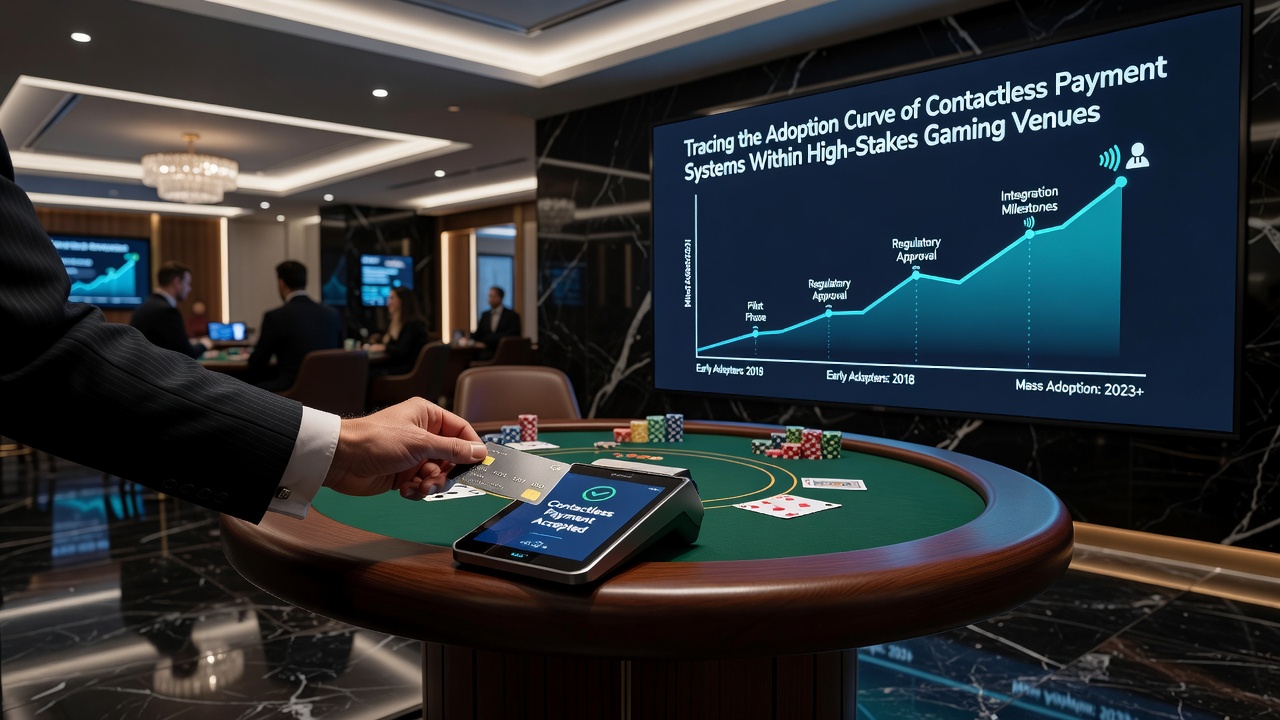
High-stakes gaming venues have integrated contactless payment systems over the past decade as operators seek faster transaction times and reduced handling of physical currency in environments where wagers often exceed tens of thousands of dollars per hand. These systems rely on near-field communication technology that allows patrons to complete transfers through cards or mobile devices without inserting chips or cash into machines. Data from industry monitoring shows adoption beginning in select properties in Las Vegas and Macau around 2015 before expanding to additional markets in subsequent years.
Early Implementation Patterns
Initial deployments focused on poker rooms and baccarat pits where dealers managed high volumes of transactions during extended play sessions. Venues in Nevada reported early tests of RFID-enabled tables paired with contactless readers as early as 2017, and similar equipment appeared in Atlantic City properties by 2019. Observers note that operators prioritized areas with repeat high-value patrons because these locations generated measurable reductions in cash-handling labor costs according to internal audits shared with regulatory bodies.
Technology Components and Integration
Contactless systems in these venues combine NFC readers, secure tokenization protocols, and backend connections to player accounts or banking networks. High-stakes tables often feature embedded readers that verify identity through biometric checks before authorizing transfers above preset thresholds. Research from the University of Nevada Reno indicates that transaction completion times dropped by an average of 18 seconds per exchange once venues replaced manual chip verification with automated contactless processing.
Regional Adoption Differences Through 2026
North American properties advanced faster than many Asian counterparts due to existing digital infrastructure in loyalty programs. Figures released by the Nevada Gaming Control Board show that contactless transaction volume in high-limit rooms rose from 12 percent of total wagers in 2022 to 41 percent by August 2026. In contrast, Macau operators introduced similar capabilities more gradually because of stricter cross-border banking rules, though several integrated systems reached full operation in 2024 after regulatory approvals cleared.
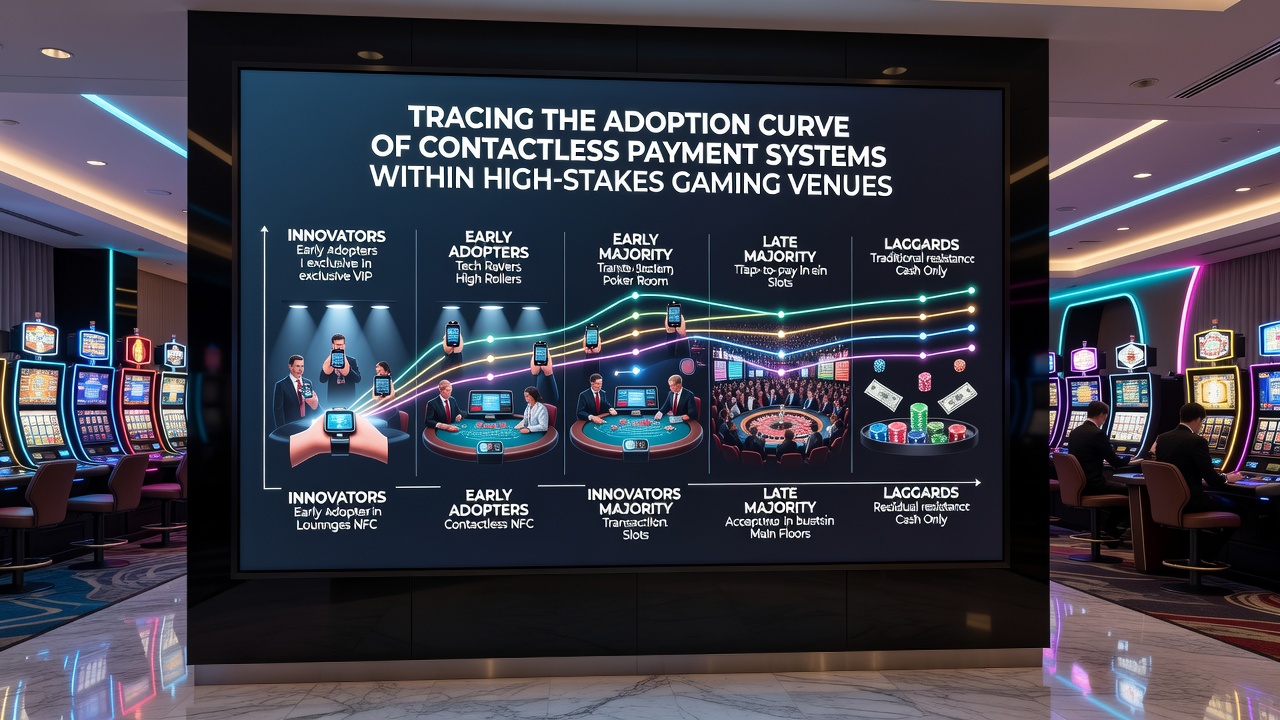
European venues followed a mixed timeline. Properties in Monaco adopted contactless options for VIP salons by 2021 while certain Spanish and Italian locations waited until 2023 for comparable installations. The variation stems from differing data-protection standards that required customized encryption layers before systems received approval from local oversight agencies.
Security Measures and Regulatory Oversight
Venues added multi-factor authentication layers because high-stakes environments attract elevated fraud risks. Systems typically require a physical card tap plus a PIN or biometric confirmation for transfers exceeding $5,000. Reports compiled by the American Gaming Association highlight that venues with contactless setups recorded 27 percent fewer cash-related discrepancies compared with traditional methods during the same monitoring periods. Regulators in multiple jurisdictions now require annual penetration testing and real-time monitoring of transaction logs to maintain operational licenses.
Player Behavior and Operational Impacts
Patrons in high-stakes areas have shown steady uptake once staff provide brief demonstrations at the tables. One study conducted across three Nevada resorts found that repeat players completed 63 percent of their session funding through contactless methods by mid-2025. Staff training programs emphasize quick troubleshooting of reader errors so that play interruptions remain minimal. These changes also reduced the physical movement of cash carts between tables and count rooms, which in turn lowered exposure to internal loss incidents according to venue security logs.
Current Status and Ongoing Developments
As of August 2026, contactless payment coverage extends to most high-limit rooms in major U.S. markets, with newer installations appearing in Canadian and Australian properties. Operators continue to refine integration with digital wallet providers to accommodate international patrons who prefer local banking apps. Industry associations track these shifts through quarterly surveys that feed into broader forecasts on cashless gaming trends. Additional refinements focus on reducing latency during peak hours when multiple tables process simultaneous transfers.
Conclusion
The adoption curve for contactless payments in high-stakes gaming venues reflects steady technological integration supported by regulatory frameworks and operational efficiencies. Venues that implemented these systems early documented measurable gains in transaction speed and security metrics. Ongoing expansions in additional regions continue to follow similar patterns established in the initial markets, with data collection providing the basis for further refinements in both hardware and compliance protocols.