Tracing Blockchain Integration Patterns in Decentralized Prediction Markets for Sports Events
Dana Schulz · Jul 17, 2026
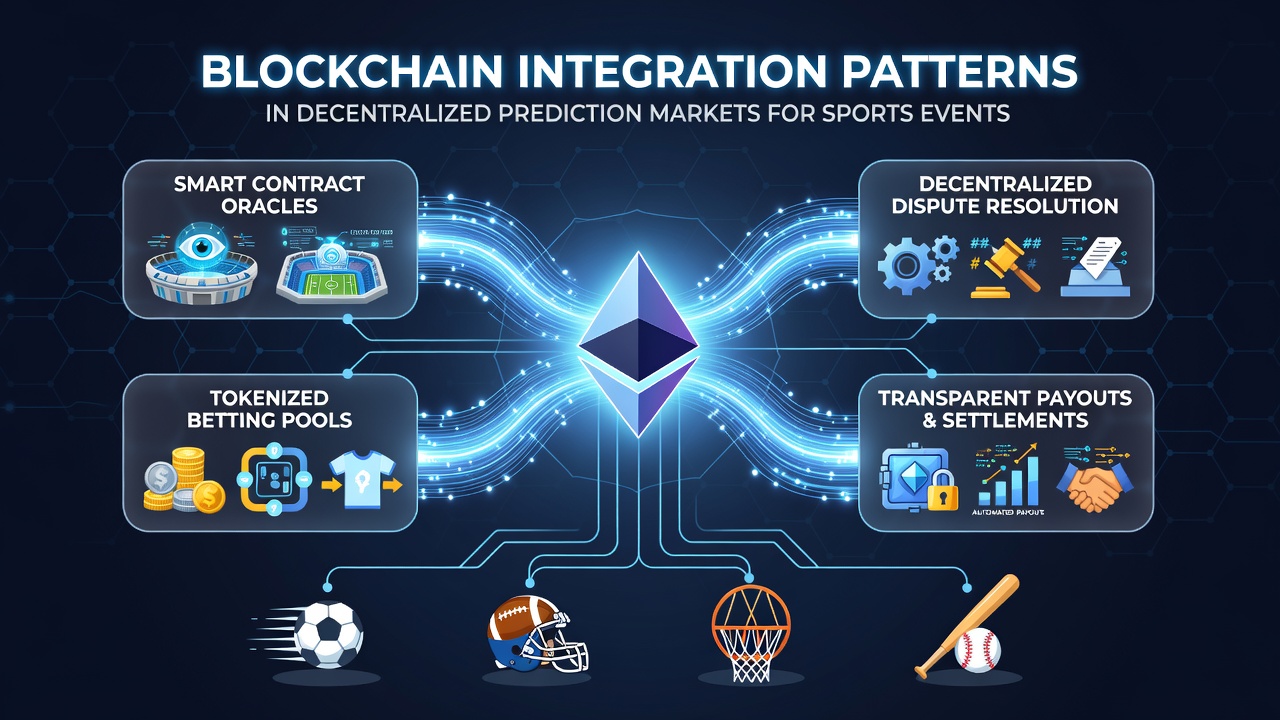
Tracing Blockchain Integration Patterns in Decentralized Prediction Markets for Sports Events
Data from multiple blockchain analytics platforms shows that decentralized prediction markets for sports events have followed distinct integration patterns since their emergence in the late 2010s. These patterns center on smart contract deployment, oracle connectivity for real-time event data, and liquidity mechanisms that allow participants to stake tokens on outcomes such as match results or player performance metrics. Observers note steady expansion through 2026, with activity levels rising notably around major tournaments in July when football and baseball seasons overlap in several regions. Early implementations relied primarily on Ethereum mainnet for contract execution, yet high gas fees prompted shifts toward layer-2 solutions and alternative chains. Researchers at institutions tracking on-chain activity documented a migration pattern where platforms moved core settlement logic to networks offering lower transaction costs while retaining Ethereum for finality. This approach preserved security guarantees while enabling smaller wagers common in sports betting. In parallel, developers standardized interfaces for sports data oracles, allowing contracts to receive verified scores without centralized intermediaries.Oracle Integration and Data Verification Patterns
Integration of external data sources forms the backbone of these markets, because outcomes must settle automatically once events conclude. Multiple protocols adopted a hybrid model combining multiple oracle providers to reduce single-point failure risks. For instance, a contract might pull football match results from both a dedicated sports API aggregator and a consensus network of node operators. Figures released in mid-2026 indicate that over 60 percent of active sports prediction contracts now employ at least two independent data feeds, a pattern that emerged after several high-profile disputes in 2023 and 2024.
Those studying transaction graphs observe recurring sequences where oracle updates trigger cascading settlements across related markets. A goal scored in a live match can simultaneously resolve bets on total goals, player assists, and halftime outcomes. This interconnectedness creates efficiency gains but also requires careful circuit-breaker logic in contracts to handle data revisions or postponements. Regulatory filings from the Monetary Authority of Singapore highlight similar verification frameworks used in licensed blockchain pilots, underscoring cross-border interest in standardized oracle practices.
Liquidity Provision and Market Depth Structures
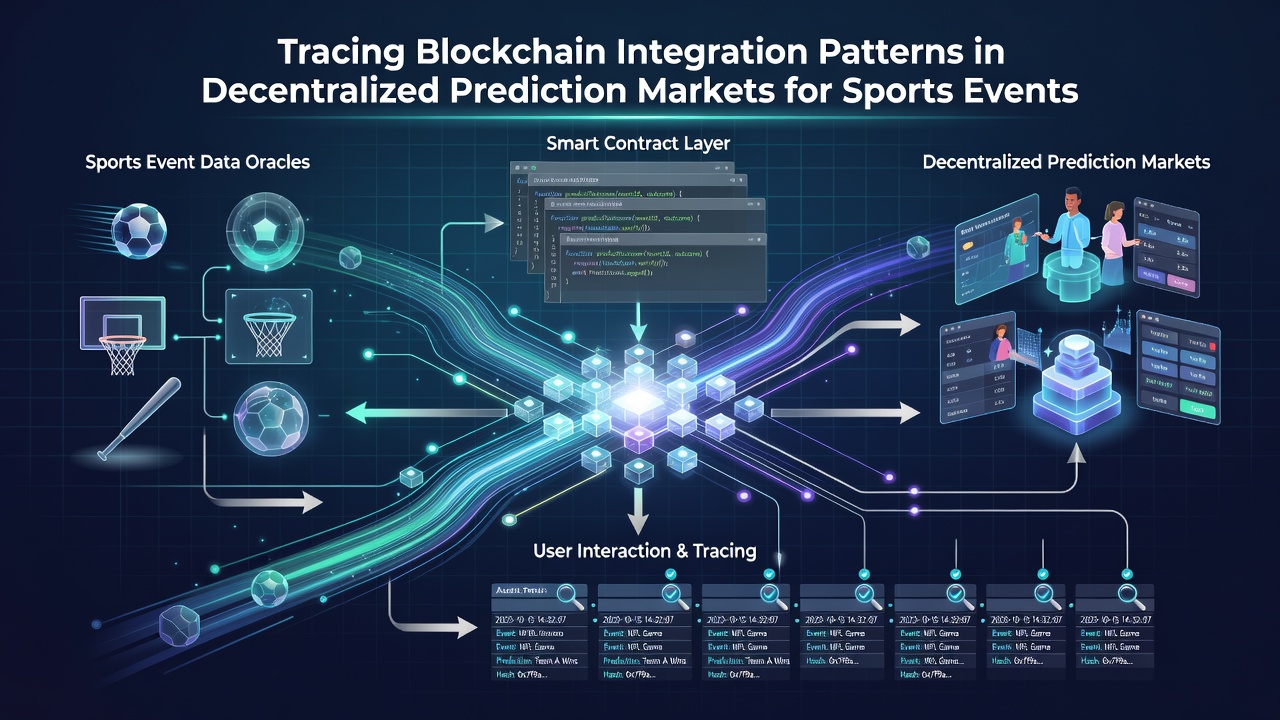 Liquidity patterns differ from traditional order-book exchanges. Most platforms utilize automated market makers where users supply token pairs to pools that price probabilities dynamically. Data indicates that sports-specific pools often experience sharp inflows before high-profile events and rapid withdrawals afterward, creating temporary imbalances that sophisticated traders exploit through arbitrage across multiple chains. In July 2026, on-chain metrics revealed sustained pool depths exceeding previous summer averages, attributed partly to institutional participants testing allocation strategies on public testnets. Developers have introduced concentrated liquidity features that let providers target specific probability ranges, such as 45-55 percent for a favored team. This technique, borrowed from decentralized exchanges, reduces capital inefficiency yet demands active management. Studies published by the Blockchain Research Institute document how these tools correlate with higher trading volumes during live events, where probabilities shift minute by minute. Observers tracking wallet clusters note that a small number of addresses frequently act as market makers across several sports platforms, suggesting professional liquidity operations have become a recognizable pattern.
Scalability Adaptations and Cross-Chain Patterns
Volume spikes during major tournaments exposed throughput limitations, prompting adoption of sidechains and rollups optimized for frequent small transfers. Platforms that integrated optimistic rollups reported settlement times under two minutes for most sports markets, compared with earlier averages exceeding ten minutes. Cross-chain bridges now facilitate token movement between ecosystems, allowing participants to move liquidity from one chain to another without leaving the prediction interface. Metrics compiled through July 2026 show bridge volumes for sports-related tokens rising 35 percent year-over-year, according to aggregated explorer data.
Security audits have become standard before each major integration cycle. Patterns in audit reports reveal recurring focus areas: oracle manipulation resistance, front-running protection during live updates, and proper handling of edge cases such as abandoned matches. These reviews, often conducted by firms specializing in smart contract analysis, feed directly into subsequent code upgrades and have contributed to declining exploit incidents in the sector.
Conclusion
Tracing these integration patterns reveals a progression from basic contract templates toward sophisticated, multi-oracle, cross-chain systems tailored to the temporal demands of sports events. Continued refinement in liquidity tools and data verification methods supports broader participation while maintaining on-chain transparency. As July 2026 activity levels demonstrate, the underlying architecture continues evolving in response to both technical constraints and user behavior observed across successive tournament cycles.