The overlooked psychology behind decision patterns in hybrid mobile table game environments
Rosa Ludwig · May 22, 2026
The overlooked psychology behind decision patterns in hybrid mobile table game environments
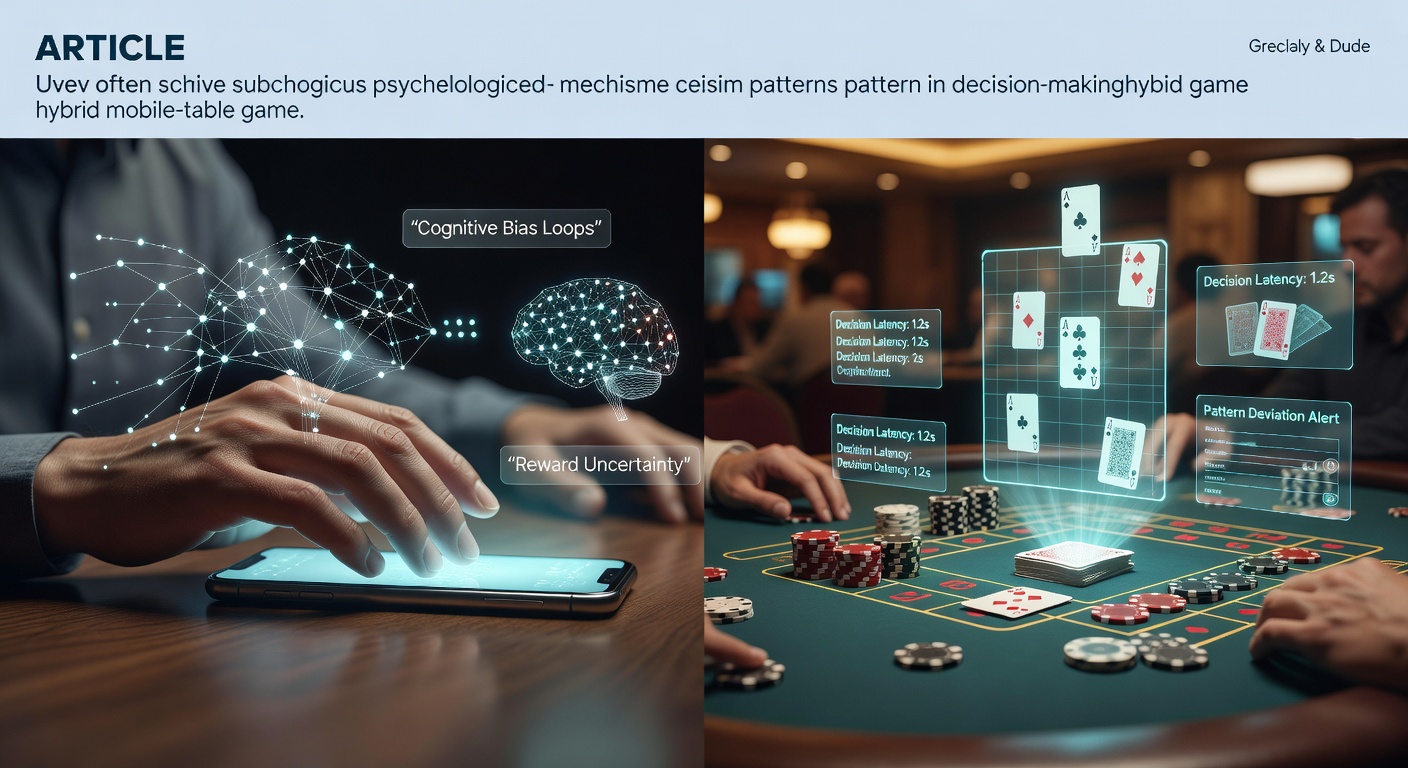
Hybrid mobile table game environments combine live dealer streams with digital overlays and real-time betting tools, creating unique decision landscapes where players navigate choices under time pressure and visual stimuli that blend physical and virtual elements. Researchers have tracked how these setups influence patterns such as bet sizing adjustments and timing of actions like hitting or standing, with data showing elevated engagement during peak evening hours across multiple platforms. Observers note that the seamless shift between camera feeds and touch controls often leads participants to rely more on quick visual cues than on extended calculation, a shift documented in usage logs from major operators.
Cognitive biases in real-time mobile decisions
Decision patterns emerge from well-studied biases that interact differently when players hold a device rather than sit at a physical table. Loss aversion appears amplified because each swipe or tap registers as an immediate commitment, prompting some users to chase earlier outcomes more persistently than they would in slower formats. Studies from academic institutions reveal that near-miss visuals generated by digital overlays increase continuation rates even when odds remain unchanged, and these effects compound when live chat features allow peers to comment on ongoing hands.
Availability heuristics also play a role as players draw on recent session highlights stored in app histories, leading to repeated selections of familiar bet amounts or strategies without fresh evaluation. Data collected through platform analytics indicates that sessions lasting beyond thirty minutes show measurable upticks in conservative choices after early wins, suggesting fatigue influences risk tolerance in measurable ways. Experts tracking these metrics have pointed to May 2026 reports from regional gaming authorities highlighting similar patterns in North American markets where hybrid adoption grew steadily.
Interface design and its effect on choice architecture
Touchscreen layouts guide attention through highlighted buttons and animated timers that compress the window for reflection, which in turn shapes how participants sequence their actions. One analysis of user interaction logs found that larger tap targets for standard moves correlated with faster execution and fewer mid-hand reconsiderations compared to smaller secondary options. Hybrid environments add another layer because live video feeds compete with overlaid statistics, splitting focus and sometimes resulting in delayed responses that alter payout sequences.
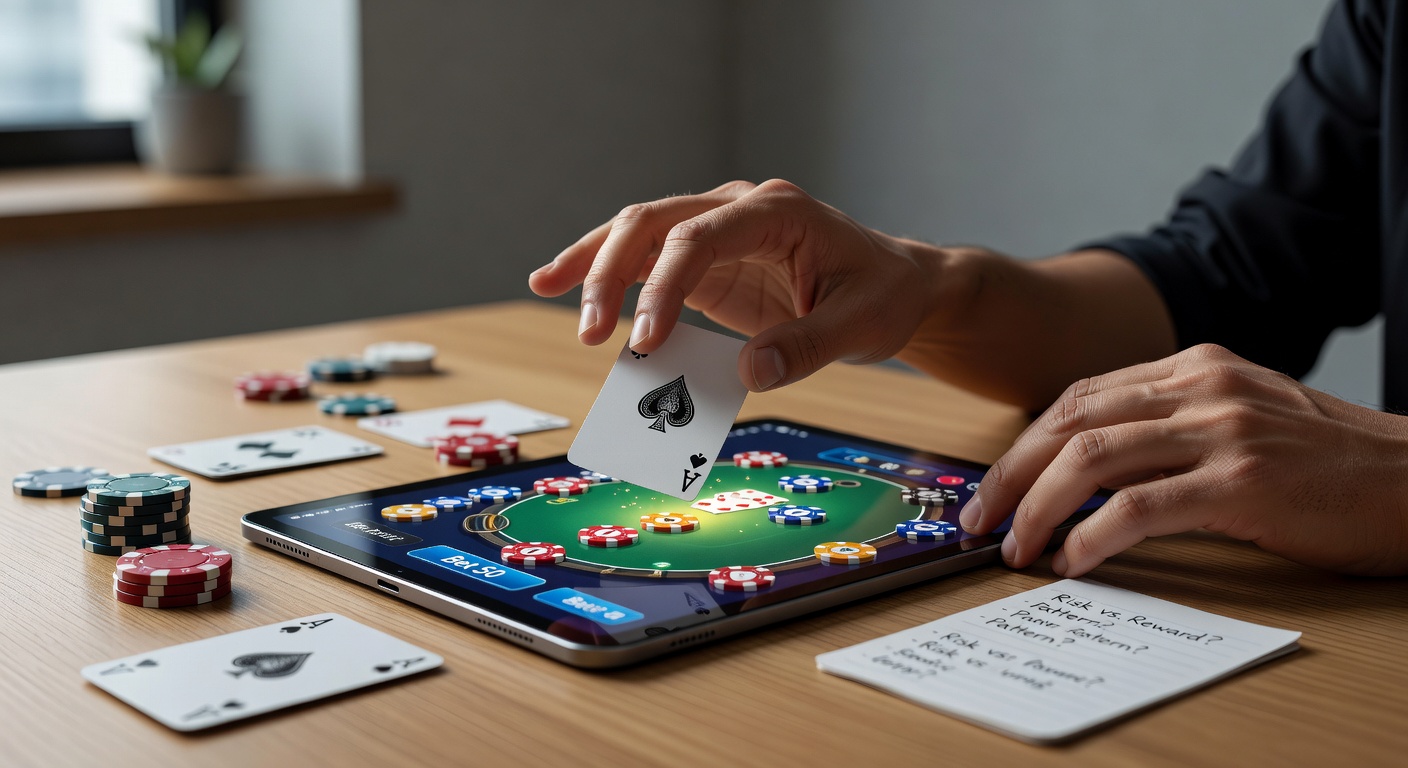
Color-coded probability displays and quick-bet presets further streamline pathways, yet they also anchor selections around displayed defaults according to findings from Canadian research groups. Players who encounter these presets early in a session tend to adjust subsequent wagers less frequently, creating stable but narrower decision trees. Industry reports from organizations such as the European Gaming and Betting Association note that such design choices appear across European and Asian markets, with consistent data on reduced variance in bet amounts when presets remain visible throughout play.
Social and temporal factors shaping engagement
Live elements introduce peer presence through moderated chat and shared win notifications that can trigger conformity effects, where individuals mirror observed bet patterns from other users on screen. Temporal cues such as countdown clocks and dealer pace variations add external pacing that overrides internal rhythms, leading some participants to accelerate choices they might otherwise deliberate. Research indicates that sessions overlapping with live events or promotions exhibit distinct spikes in multi-hand participation, reflecting how external context folds into personal strategy adjustments.
Those who study mobile behavior have observed that notification interruptions during hybrid play often prompt immediate re-engagement rather than breaks, extending total time on device. Figures from Australian regulatory summaries released around early 2026 align with these observations, showing parallel increases in session length when push features activate during active table rounds. The combination of social visibility and device portability therefore sustains momentum that traditional settings do not replicate at the same scale.
Conclusion
Hybrid mobile table game environments continue to evolve as operators integrate additional data layers and refined interfaces that respond to documented decision tendencies. Patterns identified through analytics and controlled observations provide operators and regulators with clearer maps of how cognitive processes unfold under these conditions. Ongoing measurements from multiple jurisdictions supply the evidence base for understanding these dynamics without relying on speculation about future developments.