The Hidden Mechanics of Sound Design Driving Player Retention in Virtual Poker and Roulette Hybrids on Emerging Mobile Platforms
Petra Franke · Jul 29, 2026

The Hidden Mechanics of Sound Design Driving Player Retention in Virtual Poker and Roulette Hybrids on Emerging Mobile Platforms
Sound design in virtual poker and roulette hybrids on mobile platforms operates through layered audio systems that synchronize with gameplay mechanics, and developers integrate these elements to create feedback loops that align with player decision points. Research indicates that specific frequency ranges and timing patterns in chip stacking sounds or wheel spin effects correlate with extended session durations, while data from platform analytics shows retention metrics rising when audio cues trigger at consistent intervals during betting sequences.
Core Audio Components in Hybrid Game Mechanics
Virtual poker and roulette hybrids combine card dealing animations with roulette wheel rotations, and sound designers layer distinct audio tracks for each action so that players receive immediate confirmation through auditory signals rather than relying solely on visual updates. These tracks include low-frequency rumbles for wheel spins, mid-range clicks for card flips, and high-pitched chimes for winning outcomes, and the combinations adjust based on bet size or streak length to maintain auditory variety across repeated rounds.
Engineers program adaptive mixing algorithms that lower background music volume during critical decision moments while amplifying interface sounds, and this technique helps direct attention without overwhelming the small speaker systems common on emerging mobile devices. Observers note that such adjustments appear in multiple titles released through regional app stores in early 2026, where device sensors detect headphone connectivity and shift the audio profile accordingly.
Mobile Platform Constraints and Audio Optimization
Emerging mobile platforms introduce variable processing power and battery management protocols that affect how sound files load and play in real time, and developers respond by compressing audio assets into modular segments that assemble dynamically during play. These segments trigger through event-driven scripts tied to game state changes, and the resulting output maintains consistency even when network latency interrupts live dealer streams in hybrid formats.
Platform updates rolled out around July 2026 incorporated enhanced spatial audio support for certain device models, and this change allowed sound designers to position roulette ball movements in a virtual stereo field that shifts as players tilt their screens. Figures from industry testing reveal that titles utilizing these features report higher average playtime per session compared with versions limited to mono output.
Retention Patterns Linked to Specific Sound Triggers
Analytics platforms track how particular sound events coincide with continued play after losses, and researchers have mapped sequences where celebratory audio cues follow near-miss outcomes in roulette hybrids. These cues consist of ascending tone patterns that resolve into harmonic resolutions, and the structure encourages players to initiate another round while the auditory memory remains active.
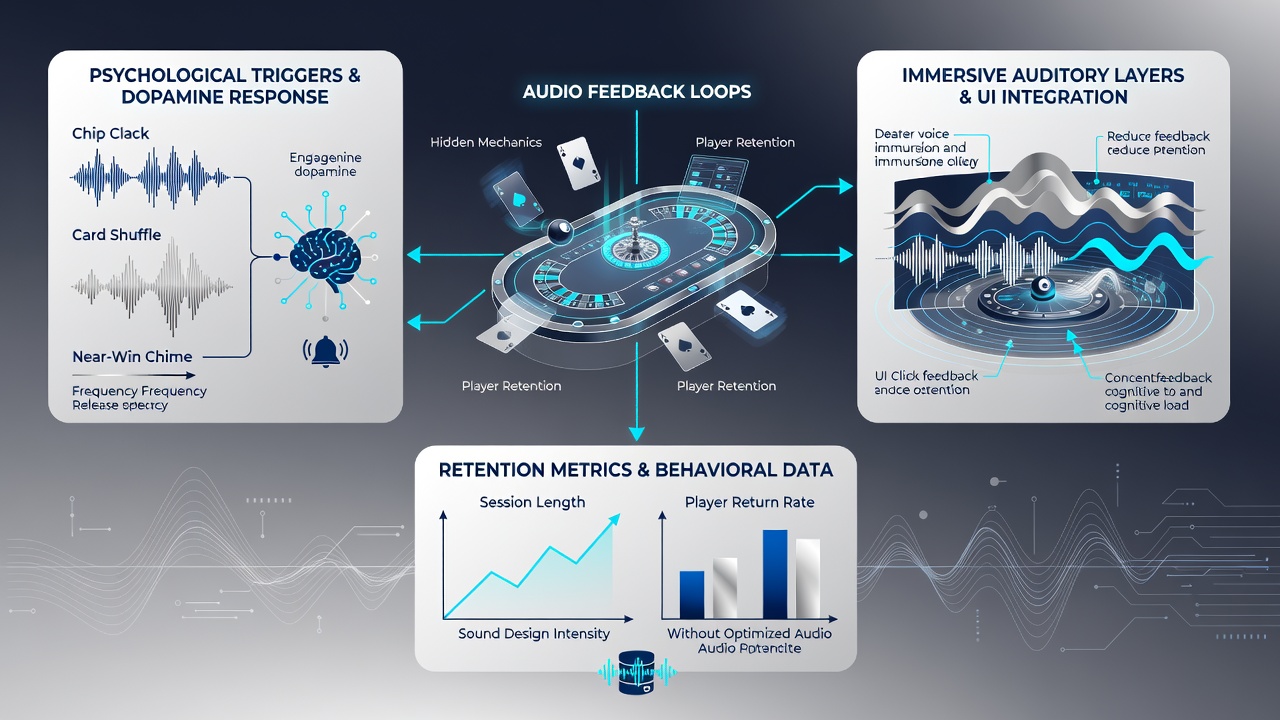
One development team documented a 14 percent increase in daily active users after replacing generic win sounds with procedurally generated variations that incorporated player bet history, and similar modifications spread across other hybrid titles within months. The approach relies on real-time synthesis rather than pre-recorded samples, which reduces file size while allowing endless permutations that prevent auditory fatigue during long sessions.
Integration with Haptic Feedback and Visual Overlays
Sound design works alongside haptic pulses and real-time data overlays on portable screens, and synchronization between these channels creates multisensory reinforcement during key moments such as all-in decisions in poker segments. When audio peaks align with vibration patterns, engagement metrics collected by developers show reduced drop-off rates at standard break points in sessions.
Regulatory filings from multiple jurisdictions document that operators must disclose audio settings in game rules, yet these disclosures rarely detail the precise trigger thresholds used for retention-focused design. Industry associations in North America and Australia have begun compiling voluntary standards for transparent audio implementation, and early reports suggest these guidelines encourage clearer separation between functional feedback sounds and atmospheric tracks.
Data Sources and Measurement Approaches
Studies conducted through academic partnerships with gaming operators track retention through anonymized session logs, and results point to measurable differences when sound profiles undergo A/B testing across user cohorts. Nevada Gaming Control Board reports from mid-2026 include preliminary findings on audio configuration impacts within licensed mobile applications, while European Gaming and Betting Association publications present aggregated European market data on similar variables.
These measurement frameworks focus on time-between-bets intervals and return-visit frequency rather than direct causation claims, and the datasets continue to expand as more hybrid titles adopt advanced audio engines on newer mobile hardware.
Conclusion
Sound design in virtual poker and roulette hybrids on emerging mobile platforms functions through precise timing, layered frequencies, and adaptive mixing that respond to gameplay events. Data collected across regions demonstrates correlations between these audio elements and session length or return rates, while platform advancements in July 2026 expanded technical possibilities for spatial and synthesized sound integration. Continued refinement of these mechanics occurs alongside regulatory and industry efforts to document implementation practices.