The Fusion of Heritage Preservation Efforts with Digital Slot Machine Redesigns in Tribal Gaming Operations
David Vogel · Jul 22, 2026
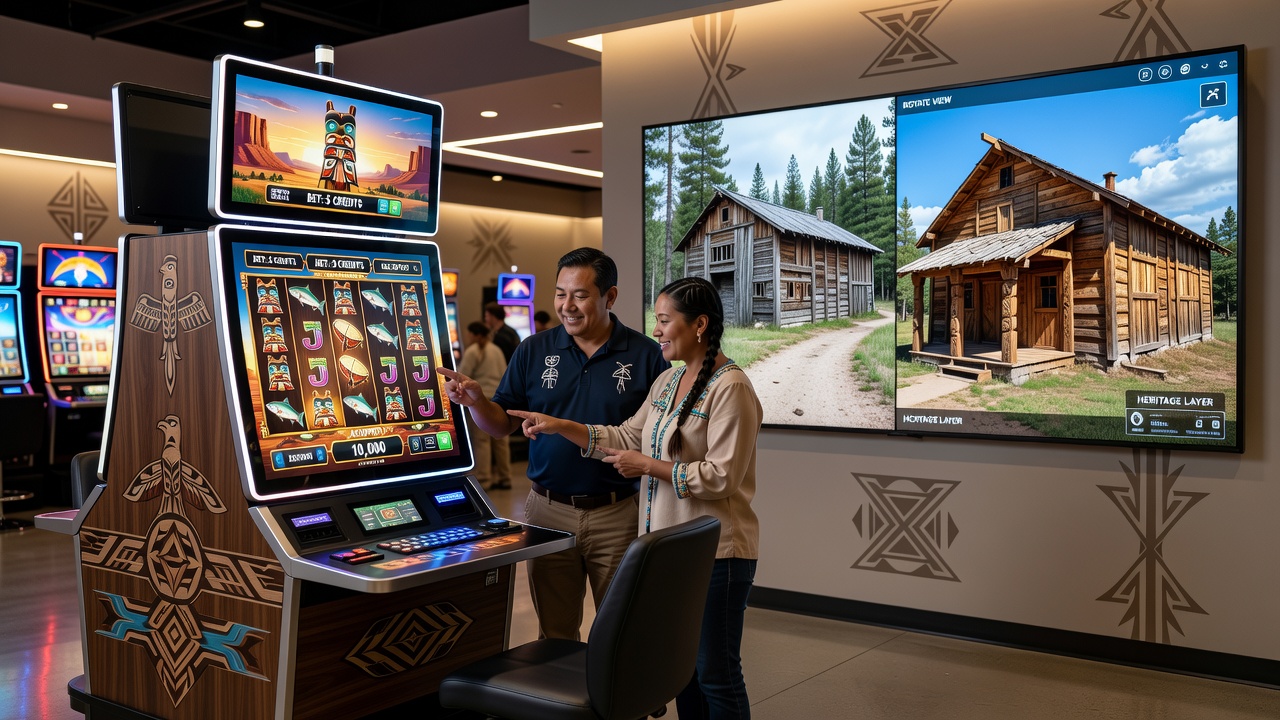
The Fusion of Heritage Preservation Efforts with Digital Slot Machine Redesigns in Tribal Gaming Operations
Tribal gaming operations across the United States have integrated heritage preservation initiatives directly into the redesign of digital slot machines, creating systems where cultural symbols and narratives appear in gameplay mechanics while revenue streams support artifact conservation and language revitalization programs. Data from the National Indian Gaming Commission shows that tribal casinos generated over $41 billion in gross gaming revenue in recent fiscal periods, with portions allocated to cultural projects that include digital archiving of oral histories and traditional designs now featured on slot interfaces.
Historical Context of Tribal Gaming and Cultural Integration
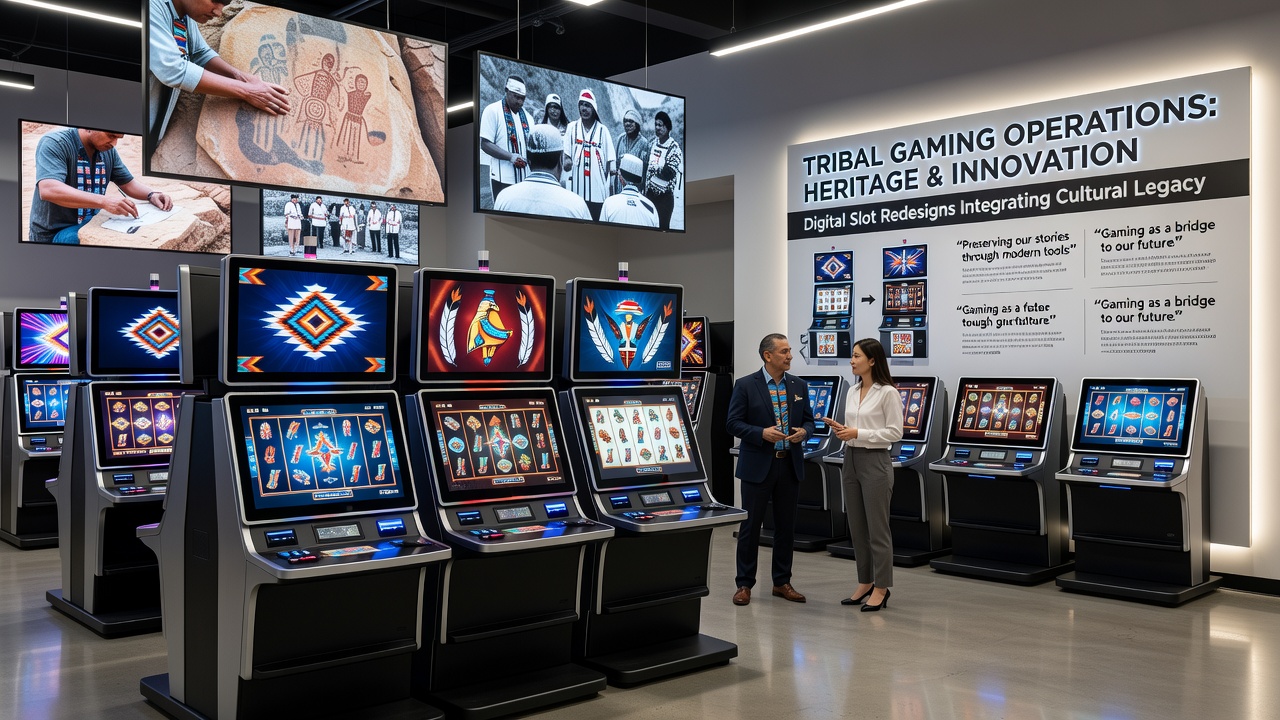
Since the Indian Gaming Regulatory Act of 1988 established the framework for tribal casinos, operators have directed portions of slot revenue toward community initiatives, yet the direct embedding of heritage elements into machine software represents a more recent development. In July 2026 several tribes reported completing redesign cycles where digital reels display motifs drawn from tribal seals, traditional beadwork patterns, and historical events, all while complying with technical standards set by state compacts and federal oversight bodies. This approach allows slot machines to function as both entertainment devices and subtle educational tools that expose players to cultural references without altering core random number generator functions.
Technical Approaches in Digital Redesigns
Engineers working with tribal commissions have adapted existing slot platforms to incorporate high-resolution animations of cultural artifacts, such as woven baskets or ceremonial regalia, into bonus rounds and symbol sets. These modifications require extensive consultation with tribal elders to ensure accurate representation, resulting in development timelines that extend six to eighteen months beyond standard software updates. Research from institutions including the University of New Mexico documents how such redesigns maintain mathematical return-to-player percentages while layering narrative elements that reference specific tribal histories, thereby turning routine spins into encounters with preserved knowledge.
Revenue Allocation for Preservation Projects
Slot revenue from these redesigned machines flows into dedicated funds that support physical preservation efforts, including climate-controlled storage for regalia and digitization of tribal records. Observers note that one Midwestern tribe used proceeds from a new heritage-themed slot bank to complete a virtual museum accessible via casino kiosks, allowing visitors to explore 3D models of sacred sites alongside the gaming floor. Similar programs in the Southwest have funded language immersion software that players can access through optional in-game menus, linking entertainment time directly to cultural learning modules.
Regulatory and Compliance Considerations
State gaming regulators and tribal gaming commissions review each redesign for compliance with advertising standards and cultural sensitivity guidelines before deployment. Figures released by the Arizona Department of Gaming in early 2026 indicate that approvals for culturally themed machines increased by 22 percent compared with the prior year, reflecting growing coordination between operators and preservation committees. These reviews typically examine symbol accuracy, audio elements featuring traditional songs, and any narrative text to prevent misrepresentation, while technical audits verify that the underlying algorithms remain unchanged from certified versions.
Examples from Operating Facilities
At properties operated by tribes in California and Oklahoma, visitors encounter banks of machines where scatter symbols represent elements from creation stories and bonus features trigger sequences illustrating traditional dances rendered through motion-capture technology developed in partnership with tribal artists. One facility completed in late 2025 reported that these themed slots accounted for 18 percent of total machine revenue within the first six months, demonstrating sustained player interest alongside the parallel funding of a new cultural center scheduled to open in 2027. Additional installations in the Pacific Northwest incorporate regional salmon motifs and cedar imagery, with portions of each wager automatically directed to river restoration projects tied to tribal fishing rights.
Challenges in Implementation
Balancing commercial performance with cultural integrity requires ongoing dialogue between game developers and tribal authorities, particularly when adapting sacred stories for mass-market entertainment. Technical constraints around file sizes and animation complexity have prompted some operators to develop proprietary compression methods that preserve visual detail while meeting server specifications. Data collected by the Indian Gaming Association shows that tribes investing in these hybrid approaches often experience longer certification periods, yet achieve higher retention rates among local players who value the representation of their heritage on the gaming floor.
Conclusion
The integration of heritage preservation with digital slot redesigns continues to expand across tribal gaming operations, supported by regulatory frameworks and revenue models that link entertainment directly to cultural sustainability. As facilities update their machine portfolios through 2026 and beyond, the pattern of embedding accurate tribal narratives into gameplay while financing physical and digital archives provides a measurable pathway for preserving identity alongside economic activity.