Regulatory Innovations Fueling Cross-Border Esports Betting Expansions in Emerging Asian Markets
David Vogel · Aug 26, 2026

Regulatory Innovations Fueling Cross-Border Esports Betting Expansions in Emerging Asian Markets
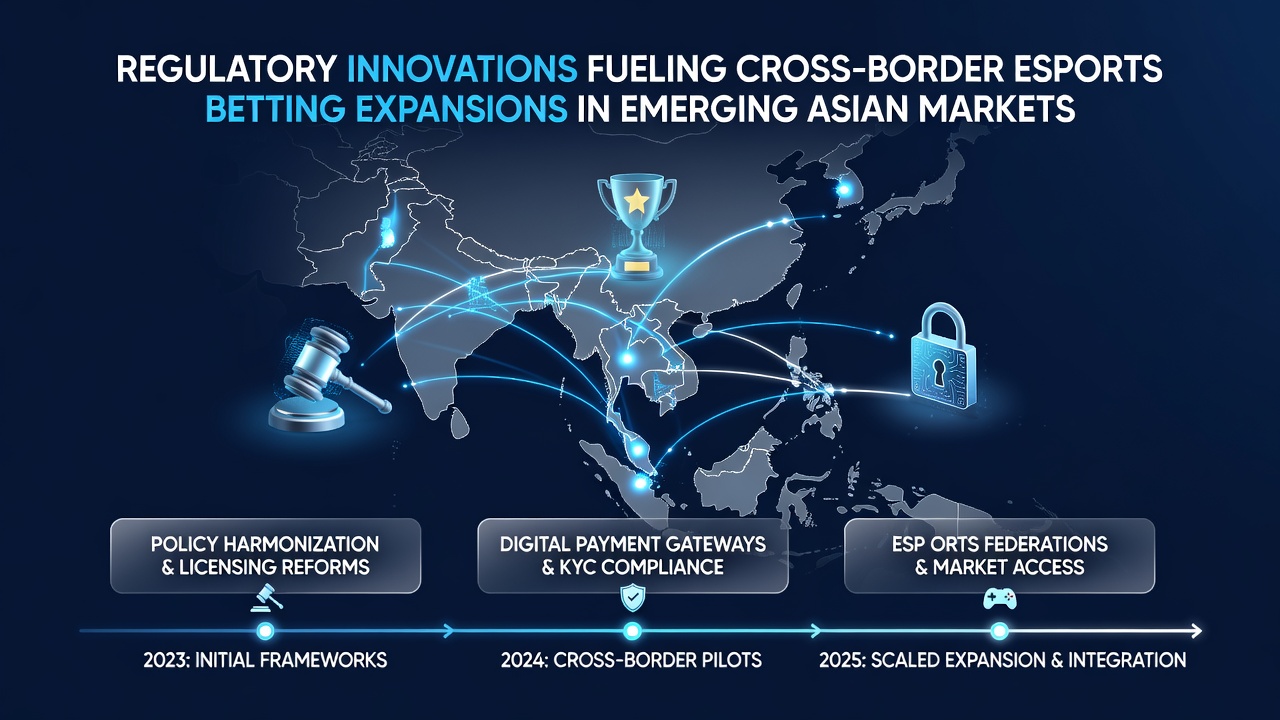
Regulatory shifts across several emerging Asian economies have opened pathways for cross-border esports betting platforms, with new licensing models and data-sharing agreements reshaping how operators expand into markets like the Philippines, Vietnam, and Malaysia. These changes build on existing gaming infrastructures while addressing digital transaction security and player verification standards that differ from traditional sports wagering rules.
Current Landscape of Esports Betting in the Region
Data from industry reports shows steady participation growth in esports events across Southeast Asia, where mobile penetration rates exceed 70 percent in key urban centers. Observers note that regulatory bodies in these jurisdictions have started to distinguish esports from conventional gambling categories, which allows for tailored tax structures and operator requirements that encourage licensed cross-border activity. Figures reveal that by August 2026 several markets had recorded double-digit increases in licensed esports betting volumes compared to the prior year.
Those who've tracked these developments point to streamlined approval processes in the Philippines through PAGCOR, where operators can now apply for multi-jurisdictional permits that cover neighboring countries under mutual recognition frameworks. Similar steps appear in Vietnam, where updated digital economy regulations permit foreign platforms to partner with local entities for revenue sharing and compliance monitoring.
Key Innovations in Licensing and Compliance
One notable development involves real-time compliance dashboards that regulators require operators to maintain, enabling cross-border data flows while protecting user information under standardized encryption protocols. These systems connect directly to central monitoring hubs, reducing the administrative burden that previously slowed expansion into new territories. Research indicates that such tools have cut approval timelines by up to 40 percent in participating markets.
Another innovation centers on tiered licensing that separates esports betting from other gaming verticals, allowing operators to scale operations without duplicating full regulatory reviews for each new market entry. Experts have observed that this approach draws from models tested in Singapore and has been adapted for emerging economies with varying levels of digital infrastructure. The result has been increased partnerships between established platforms and regional payment processors that meet local anti-money laundering thresholds.
Cross-Border Expansion Patterns and Data Trends
Expansion activity has concentrated around major esports tournaments, where operators leverage shared regulatory sandboxes to test offerings across borders without separate licenses for every jurisdiction. According to a 2025 study from the Asian Institute of Management, coordinated frameworks in the Philippines and Malaysia have facilitated over 150 new operator registrations focused on esports verticals since early 2025. These registrations often include provisions for revenue allocation to local esports development funds, creating additional incentives for compliance.
Payment integration stands out as a practical hurdle that new rules address through standardized API connections between banks and licensed platforms. Data shows that markets adopting these standards experienced fewer transaction declines during peak betting periods around international competitions. Observers note that the emphasis on verifiable age and identity checks has also reduced disputes, supporting sustained operator growth into additional emerging markets such as Indonesia and Thailand.
Regional Variations and Implementation Examples
Different jurisdictions have tailored their approaches while maintaining core principles of consumer protection and revenue transparency. In Vietnam, recent circulars from the Ministry of Finance outline joint ventures that pair foreign technology with domestic oversight, allowing cross-border settlement under capped transaction limits. Malaysia has introduced similar guidelines that prioritize local server requirements for data storage, which operators must satisfy before expanding services.
Case examples include platforms that secured regional licenses in 2025 and reported seamless onboarding of users from multiple countries by August 2026. These cases demonstrate how regulatory innovations reduce friction compared to earlier fragmented systems, where operators faced repeated audits for each market. Industry associations have documented these patterns through quarterly summaries that highlight consistent growth in licensed activity.
Conclusion
Regulatory innovations continue to shape the trajectory of cross-border esports betting in emerging Asian markets through updated licensing, compliance technology, and cooperative frameworks. Data from multiple sources underscores measurable increases in operator registrations and transaction volumes as of August 2026, reflecting the impact of these targeted policy adjustments across the region.