Navigating Cultural Adaptations in Blackjack Variants Across Global Digital Platforms
Rosa Ludwig · Jul 8, 2026
Navigating Cultural Adaptations in Blackjack Variants Across Global Digital Platforms
Blackjack has evolved well beyond its European card table origins as digital platforms expand reach across continents, and operators now adjust rules, interfaces, and bonus structures to match local preferences in markets from Asia to the Americas. Data from regulatory filings show that participation rates climb when platforms incorporate region-specific elements such as side bet options favored in certain Asian jurisdictions or payout structures common in North American land-based venues.
Regional Rule Sets and Their Digital Translations
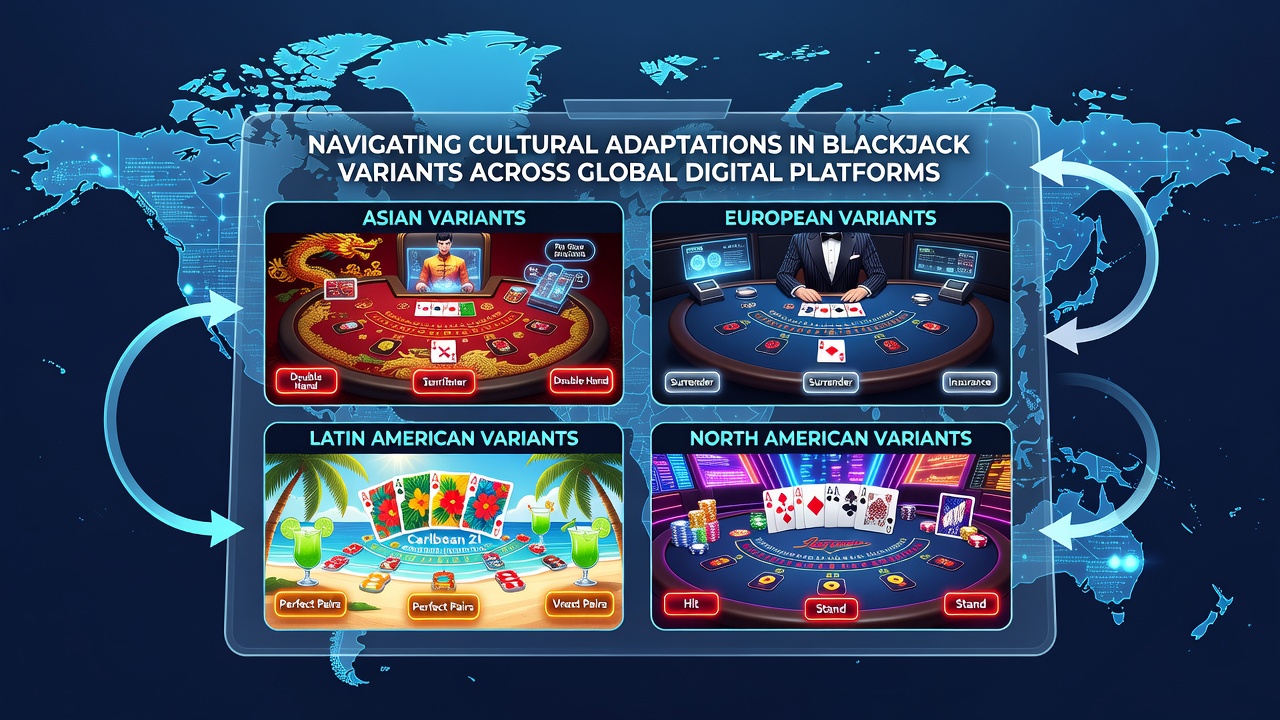
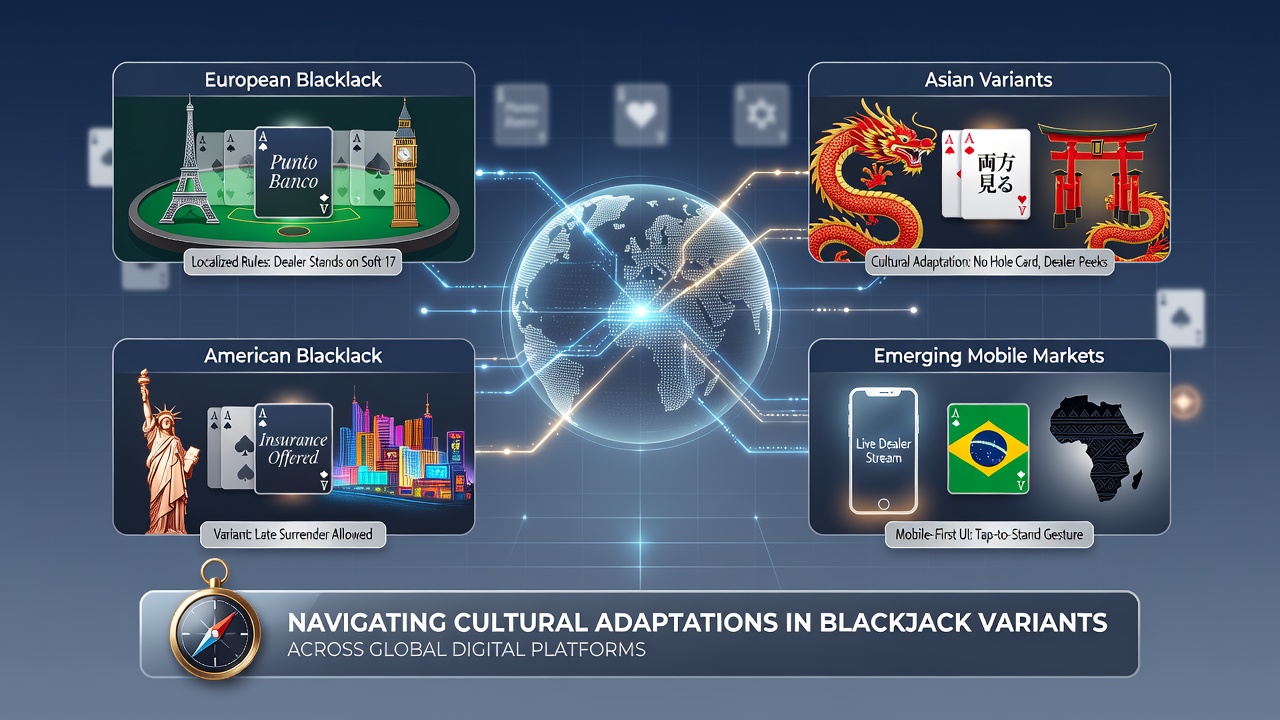
European variants often retain a dealer-check for blackjack under French or German rules, whereas North American versions frequently allow doubling after splits and multiple splits on paired cards, and digital platforms translate these distinctions through selectable game modes that load the appropriate rule set based on player location or account settings. Platforms serving Southeast Asian users commonly feature Dragon Bonus side bets and higher limits on insurance wagers, while those targeting Latin American audiences integrate Spanish-language audio and faster round timers that align with observed play pacing in regional casinos.
Observers note that rule customization extends to deck penetration and reshuffle frequencies, adjustments that mirror land-based practices in each jurisdiction adn appear in server-side configurations that change automatically when a player logs in from a different geographic zone. Research indicates these adaptations reduce player confusion and support longer session durations across time zones.
Interface Design and Thematic Customization
Digital interfaces adapt visual elements including card backs, table felt colors, and dealer avatars to reflect cultural aesthetics, with platforms in East Asia often deploying minimalist designs and subtle animations while European-facing sites favor ornate backdrops and classical motifs. Payment method integration follows similar patterns, with regional wallets, e-wallets popular in one market, and bank transfer options prominent in another appearing automatically when the platform detects the user's location.
Language localization covers not only text but also voice prompts and help sections, and developers test these elements against local regulatory requirements for responsible gambling messaging. Figures from industry reports reveal higher retention when such localization extends to bonus terms displayed in the player's native currency and language.
Regulatory Frameworks Shaping Platform Features
Regulators in multiple jurisdictions require specific disclosures and game fairness certifications before operators can offer localized variants, and compliance teams adjust payout tables and random number generator parameters accordingly. Nevada Gaming Control Board guidelines influence several North American digital offerings, while standards set by Singapore's Casino Regulatory Authority guide high-limit Asian market adaptations. Ontario's Alcohol and Gaming Commission provides another model that operators reference when configuring Canadian-facing platforms.
These frameworks also dictate minimum return-to-player percentages and responsible gaming tools that must display in culturally appropriate formats, prompting developers to create modular code bases that swap rule modules and messaging without rebuilding entire applications. July 2026 licensing updates in several markets introduced streamlined approval pathways for culturally localized blackjack variants, allowing faster deployment of region-specific features while maintaining audit trails required by oversight bodies.
Payment, Security, and User Experience Integration
Security protocols adapt to local data protection laws, and biometric authentication methods gain traction in regions where mobile usage dominates. Platforms serving Australian users incorporate features aligned with local self-exclusion registers, whereas those in parts of Europe integrate real-time spending limit tools presented through familiar banking interfaces.
Case examples show operators partnering with regional payment processors to reduce transaction friction, and data from transaction logs indicate quicker deposit completion correlates with increased table game engagement. Multi-language support desks further assist when disputes arise over rule interpretations that differ from one variant to another.
Conclusion
Global digital platforms continue to refine blackjack offerings by mapping regional rule preferences, interface aesthetics, and regulatory mandates onto unified technical frameworks, and ongoing licensing developments through mid-2026 suggest further modular enhancements will appear as operators respond to shifting player demographics and compliance updates across jurisdictions.