Mapping Progressive Jackpot Networks and Their Influence on Cross-Platform Player Migration Patterns
Dana Schulz · Jun 22, 2026
Mapping Progressive Jackpot Networks and Their Influence on Cross-Platform Player Migration Patterns
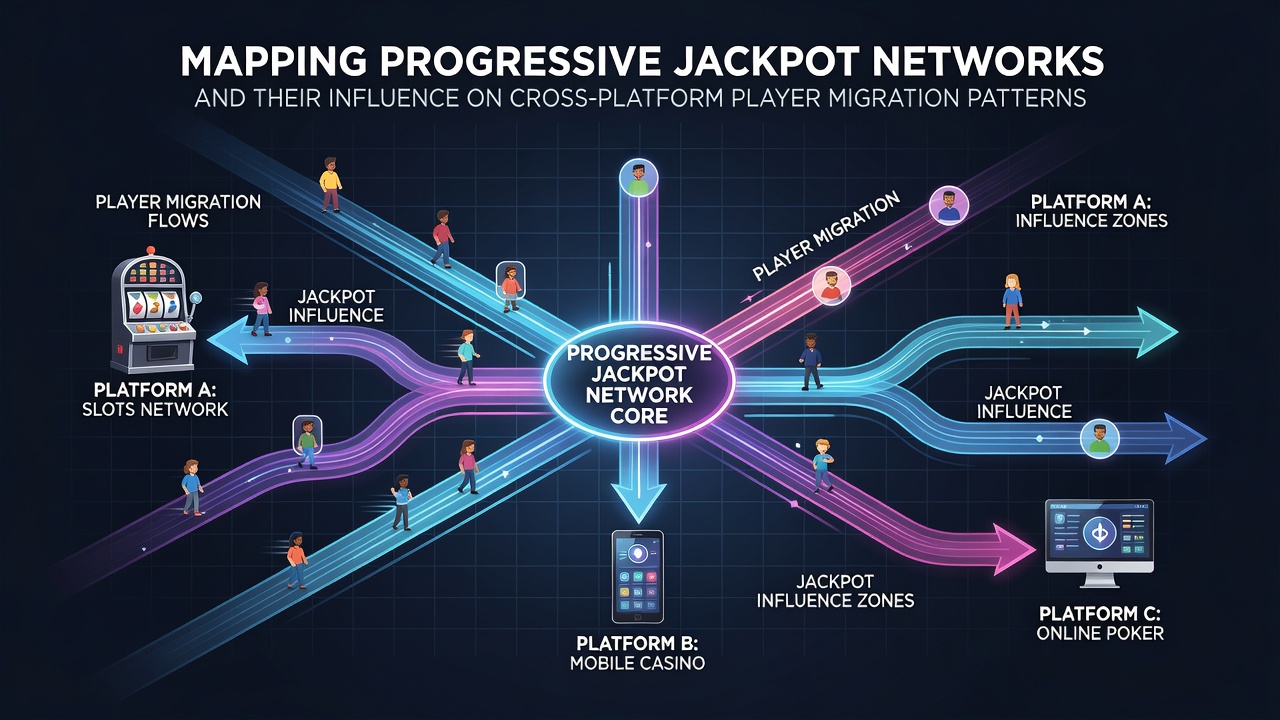
Progressive jackpot networks link slot machines and table games across separate operators, allowing prize pools to accumulate from wagers placed on different sites and devices, and data compiled through June 2026 shows these systems now span dozens of platforms in regulated markets. Operators connect their games to shared jackpot servers managed by third-party providers, which track contributions in real time and distribute winnings when triggers activate. Players encounter these linked progressives through mobile apps, desktop clients, and land-based terminals that feed the same central pool.
Network Architecture and Data Flows
Central servers aggregate bets from participating platforms while maintaining separate ledgers for each operator, and this structure allows a single jackpot to grow from activity in multiple jurisdictions simultaneously. Software protocols standardize the transmission of wager data, seed values, and payout triggers, which reduces latency during cross-platform contributions. Regulators in several regions require encrypted channels for these transmissions to protect transaction integrity, according to figures released by the Nevada Gaming Control Board.
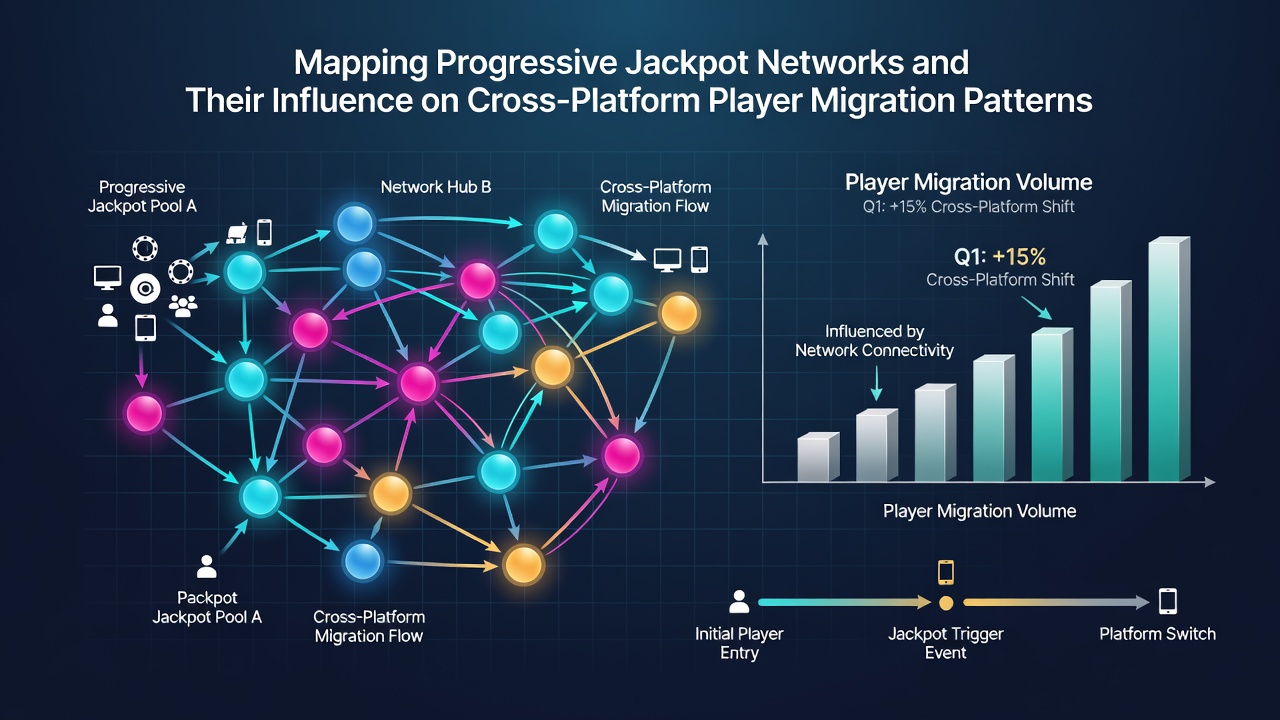
Mapping exercises conducted by analytics firms reveal dense clusters where a handful of major providers control the majority of linked titles, while smaller networks operate in niche verticals such as video poker or specialty slots. These maps also highlight geographic concentrations, with North American operators feeding into pools that occasionally incorporate European or Asian platforms under reciprocal agreements.
Player Migration Patterns Across Devices and Sites
Transaction logs from integrated networks indicate that players frequently shift between platforms when a visible jackpot reaches elevated levels, and session data collected through early 2026 demonstrates increased logins on secondary sites once primary platforms show slower jackpot growth. Cross-platform identifiers, such as unified player accounts or shared loyalty tokens, facilitate these movements without requiring repeated registration steps.
Studies of account activity show that a subset of high-volume players maintain profiles on multiple connected sites specifically to chase the same progressive pool, whereas casual participants tend to remain on one platform until a noticeable increase in the displayed jackpot prompts a switch. Mobile telemetry further illustrates that these migrations often occur within minutes of jackpot updates pushed through app notifications.
Regional Variations in Network Participation
North American markets display broader interconnection among state-licensed operators, while European networks operate under stricter data localization rules that sometimes limit cross-border pooling, according to reports issued by the European Gaming and Betting Association. Australian operators participate in domestic progressive systems with occasional links to international providers, yet regulatory caps on jackpot sizes create distinct migration dynamics compared with unrestricted pools elsewhere.
Observers note that players in regions with fewer participating platforms exhibit lower migration rates, whereas those in densely networked markets demonstrate more frequent platform switches tied directly to jackpot size fluctuations. Regulatory filings from Ontario's Alcohol and Gaming Commission document steady growth in multi-site accounts since progressive linkages expanded in that province.
Measurement Tools and Analytical Approaches
Network mapping relies on graph theory to represent platforms as nodes and jackpot connections as edges, with weighted values assigned according to contribution volume and payout frequency. Researchers apply clustering algorithms to identify communities of tightly linked operators, which helps predict where player traffic may concentrate during jackpot surges. Heatmaps derived from login timestamps overlay these graphs to visualize migration corridors between specific sites.
Additional layers incorporate device type, session duration, and deposit patterns to refine models of movement, and longitudinal datasets spanning multiple years allow analysts to track how network expansions correlate with changes in player distribution across platforms.
Conclusion
Progressive jackpot networks continue to shape how players distribute their activity across connected platforms, with mapping techniques providing clearer visibility into these flows. Data through June 2026 confirms measurable shifts in login and wager patterns that align with jackpot growth cycles, and ongoing refinements in analytical tools support more precise tracking of cross-platform behavior in regulated environments.