How Subscription Models Reshape Access to Premium Digital Table Experiences Across Regions
Petra Franke · Jun 3, 2026

How Subscription Models Reshape Access to Premium Digital Table Experiences Across Regions
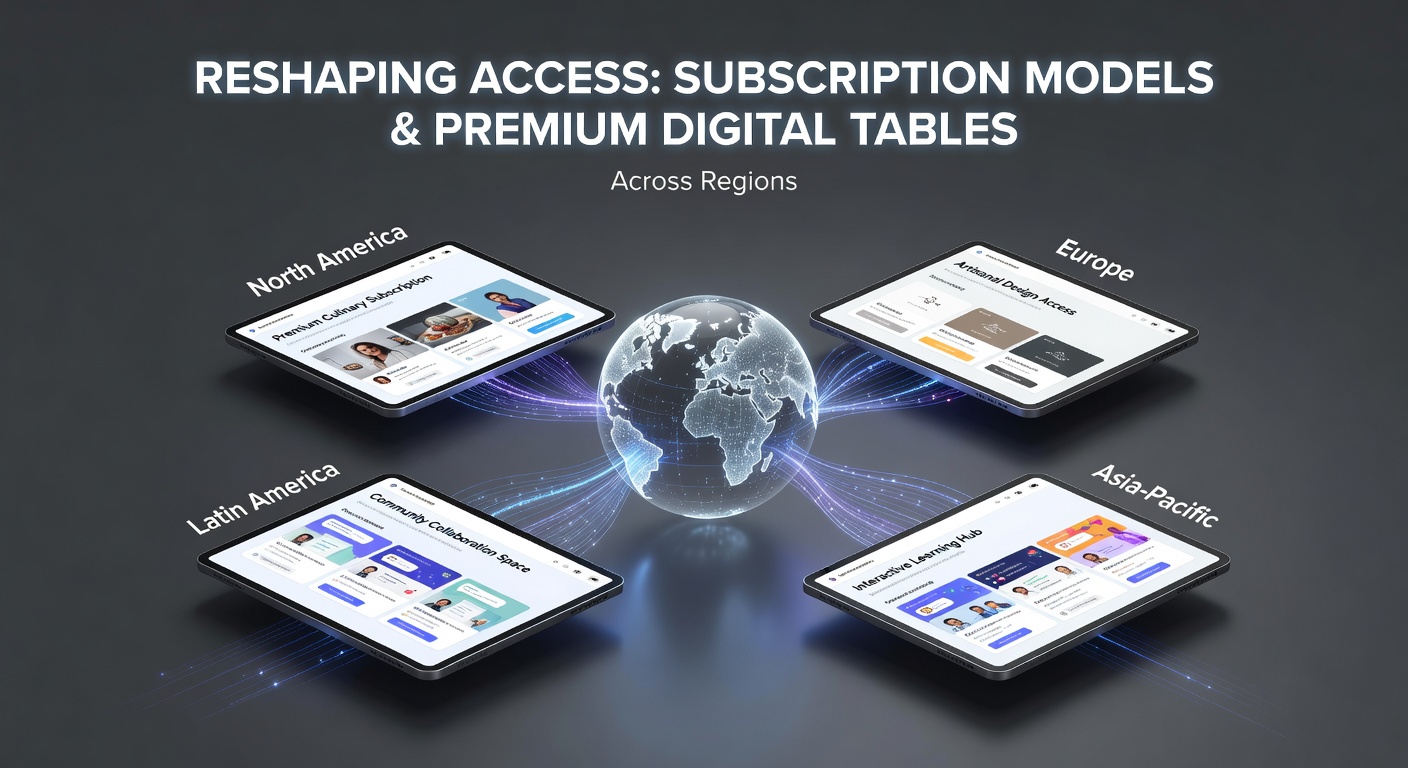
Subscription models have altered how players reach premium digital table experiences, and these changes appear across North America, Europe, Asia-Pacific, and other markets where operators now bundle live dealer tables, high-limit poker rooms, and advanced roulette variants into recurring plans. Data from industry reports indicate that monthly or annual fees replace per-session charges in many cases, which allows continuous entry to curated environments featuring real-time dealer interactions and exclusive tournament formats. Regulators in several jurisdictions track these developments because they affect player spending patterns and platform compliance requirements.
North American Developments
Operators in the United States and Canada introduced tiered subscriptions during 2025 that grant access to private digital blackjack tables and multi-camera poker streams, while state gaming commissions monitor revenue flows from these services. Figures released by the Nevada Gaming Control Board show that subscription-linked table game handle grew steadily through the first half of 2026, and similar patterns emerged in Pennsylvania and New Jersey where licensed platforms added premium tiers. Canadian provincial regulators reported parallel uptake in Ontario and British Columbia, where monthly plans cover live baccarat rooms and skill-based table variants that previously required separate deposits for each session. Observers note that these plans often include analytics tools and priority seating at high-stakes tables, which shifts the economic model away from one-time wagers toward predictable recurring revenue.
European and Asia-Pacific Trends
Across the European Union, operators adapted subscription frameworks to align with varying national rules on digital gaming, and platforms in Malta and Gibraltar incorporated live dealer subscriptions that span multiple table types. Research from the University of Nevada, Las Vegas International Gaming Institute documented how such models influence session lengths and player retention in regulated markets. In the Asia-Pacific region, operators in Australia and parts of Southeast Asia launched bundled plans that cover premium digital craps and sic bo experiences, while Australian state authorities collected data on subscription participation rates during the same period. Those who've examined market filings observe that these offerings frequently bundle regional payment options and localized dealer languages, which broadens reach without requiring separate purchases for each feature set.
Impact on Player Access and Platform Operations
Subscription structures reduce friction for frequent participants because they eliminate repeated deposit steps, and operators report that this convenience correlates with higher engagement in premium table environments. Studies conducted by academic researchers at institutions focused on gaming economics found that subscribers tend to explore a wider variety of table games once inside the tier, including niche variants that carry higher minimum stakes. Platform operators adjust server capacity and dealer staffing to match subscription-driven demand patterns, which creates operational shifts visible in scheduling logs from major providers. Data indicates that regions with mature digital infrastructure adopted these models faster, whereas emerging markets test limited pilots before scaling full offerings.
Payment processing for subscriptions follows established financial rails in most licensed jurisdictions, and compliance teams verify that recurring charges meet local consumer protection standards. In June 2026, several operators published updated participation statistics that reflected continued growth in subscription uptake across monitored regions, while regulatory bodies in multiple countries continued to review how these plans interact with existing responsible gaming frameworks. Those who analyze transaction records note that subscribers often maintain longer platform relationships compared with pay-per-play users, although exact retention metrics vary by jurisdiction and table category.
Regional Regulatory Responses
Government agencies in different territories apply distinct oversight approaches to subscription services. North American regulators emphasize disclosure of plan terms and cancellation policies, whereas Asia-Pacific authorities focus on currency conversion transparency for cross-border subscribers. European frameworks require clear separation between subscription fees and any in-game wagering amounts, which shapes how operators market their premium table packages. Industry associations compile comparative data that highlights these differences, and such compilations help operators navigate multi-jurisdictional expansion.
Conclusion
Subscription models continue to influence access patterns for premium digital table experiences, and available statistics demonstrate measurable shifts in player behavior and operator revenue streams across examined regions. Ongoing regulatory monitoring and academic examination provide further detail on how these frameworks evolve in response to market conditions and technological updates.