How Loyalty Programs Shape Retention in Digital Blackjack Communities
David Vogel · Aug 12, 2026
How Loyalty Programs Shape Retention in Digital Blackjack Communities
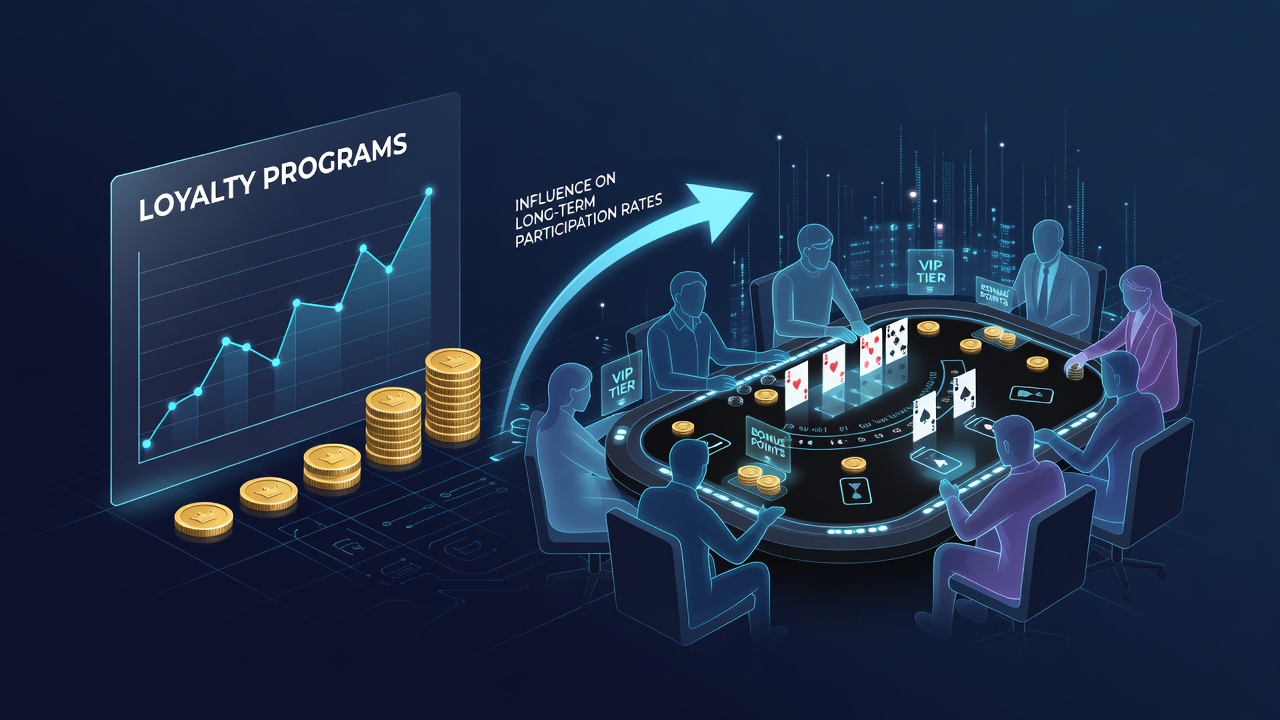
Loyalty programs in digital blackjack communities track player activity through point systems that convert wagers into redeemable rewards, and operators structure these tiers to reward consistent participation over months or years. Players accumulate credits based on hours spent at virtual tables, with higher tiers unlocking access to exclusive tournaments, faster withdrawals, and personalized bonuses that appear in player accounts during August 2026 updates across major platforms. Data from industry reports shows that members enrolled in multi-level programs return at rates 25 to 40 percent higher than non-members within the first six months of enrollment, according to figures released by the Nevada Gaming Control Board.
Mechanics Behind Point Accumulation and Tier Progression
Digital blackjack operators calculate loyalty points using algorithms that factor in bet size, session length, and game frequency, then display real-time balances in user dashboards so participants can monitor progress toward the next reward level. Basic tiers grant free spins or small cashback credits, whereas premium tiers add concierge support and entry into invite-only events that run weekly on community forums integrated into the same apps. Researchers at the University of Nevada Las Vegas documented that players who reach mid-tier status within three months maintain active accounts for an average of 14 additional months compared with those who stay at entry level, and the study linked this pattern to visible progress indicators that appear after each completed hand.
Participation Trends Observed in August 2026
Platform analytics released during August 2026 revealed that communities with integrated loyalty features recorded 18 percent more daily active users than those without structured rewards, while session lengths extended by an average of 12 minutes per visit. Operators link these outcomes to targeted offers sent via in-app notifications that reference a player's recent blackjack outcomes and suggest specific tables where bonus multipliers apply. External data from the Australian Gambling Research Centre indicates similar retention lifts in markets where loyalty points transfer across multiple game types, allowing blackjack participants to carry balances into live dealer rooms or tournament brackets without resetting their status.
Community Interaction and Long-Term Engagement
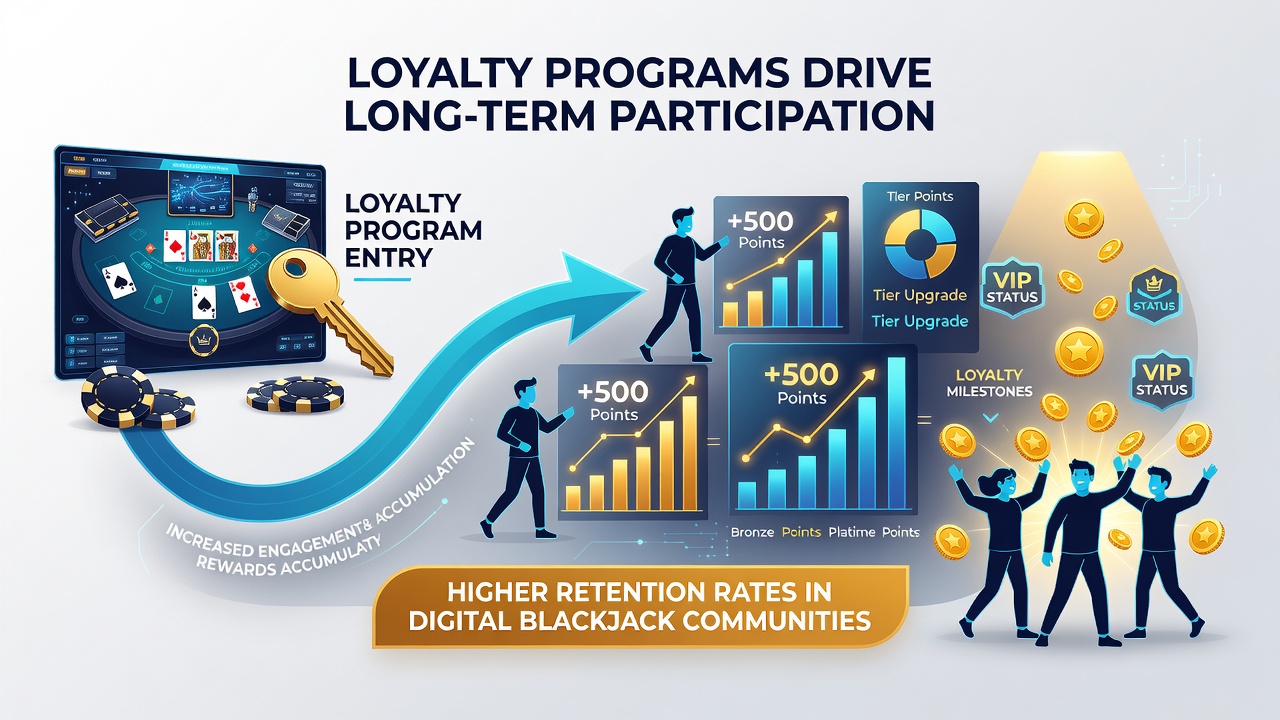
Digital blackjack communities often embed loyalty status badges directly into chat interfaces and leaderboards, and these visible markers prompt conversations about strategy tips or upcoming promotions that keep users returning to the same servers. Observers note that members who share screenshots of tier achievements receive peer recognition that reinforces continued play, and platforms report elevated message volumes in forums tied to loyalty milestones. One analysis of participation logs showed that users who joined community discussions while holding premium status logged 30 percent more hands per week than those who played in isolation, with the difference widening after six months of membership.
Comparative Data Across Regions
European operators governed by the Malta Gaming Authority track loyalty-driven retention through quarterly filings that separate blackjack traffic from other table games, and the latest submissions demonstrate that reward redemption rates correlate with a 22 percent drop in account dormancy. Canadian provincial regulators have published parallel findings from Ontario online platforms, where loyalty tiers introduced in early 2025 produced measurable increases in repeat sessions that persisted through summer 2026. These regional reports emphasize that transparent point-earning rules and predictable redemption values contribute most to sustained activity, while opaque systems show faster drop-off after initial signup bonuses expire.
Conclusion
Loyalty programs function as structured incentive layers that convert short-term visits into extended account activity across digital blackjack communities, and the evidence from regulatory filings and academic tracking studies confirms measurable lifts in return rates when tiers align with player behavior patterns. Operators continue to refine these systems by incorporating real-time feedback from community interactions and regional data sets, which in turn supports the ongoing stability of participation metrics observed through 2026.