How Emerging Payment Technologies Are Reshaping Access to International Table Game Competitions on Portable Devices
Rosa Ludwig · Jul 24, 2026
How Emerging Payment Technologies Are Reshaping Access to International Table Game Competitions on Portable Devices
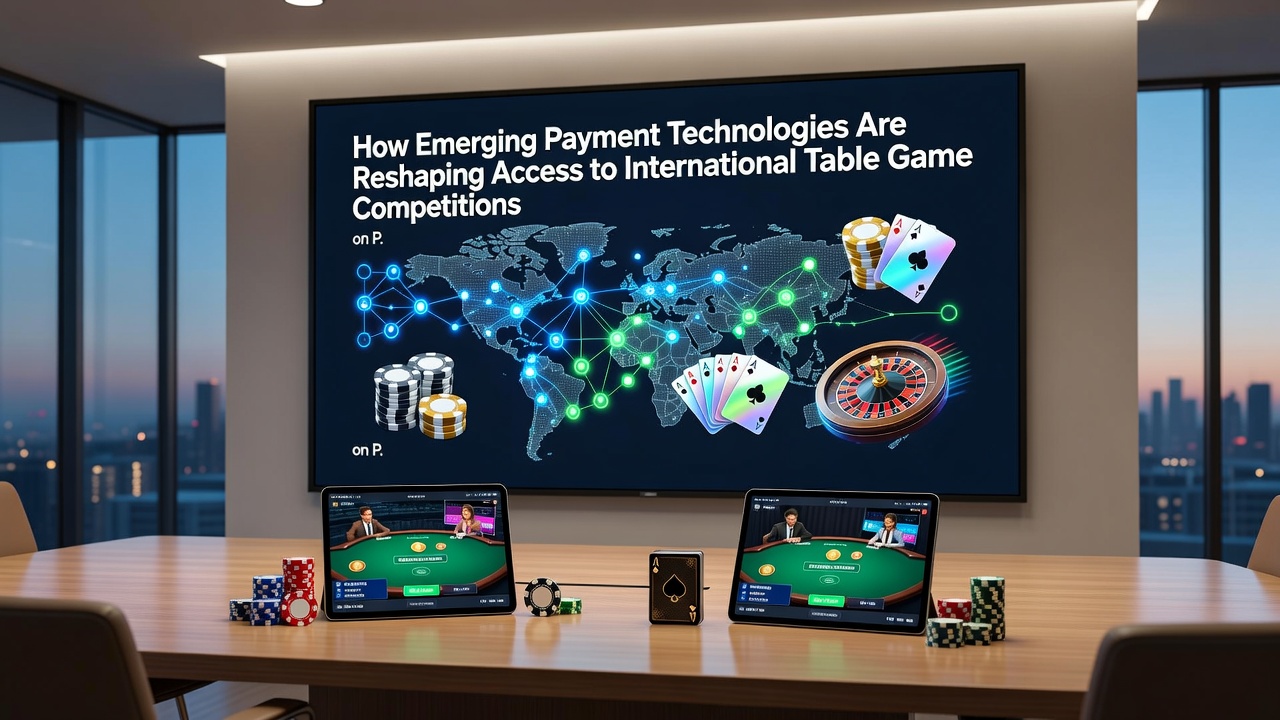
Emerging payment technologies continue to alter how players connect with international table game competitions on portable devices, and developments through July 2026 highlight faster transaction processing along with expanded cross-border capabilities. Digital wallets, blockchain-based transfers, and instant settlement systems now support real-time entry into global events featuring blackjack, roulette, and poker formats that draw participants from multiple continents.
Digital Wallets and Instant Transfer Mechanisms
Portable devices equipped with near-field communication and app-based wallets allow users to complete deposits and withdrawals in seconds rather than minutes or hours, which proves essential during live international table game tournaments where timing affects participation. Data from payment network analyses show that regions adopting instant payment rails experience higher volumes of mobile-based entries into these competitions, as players avoid traditional banking delays that previously restricted access during peak event windows.
Blockchain Integration for Cross-Border Play
Blockchain networks provide transparent ledgers that record transactions across jurisdictions without requiring multiple currency conversions at each step, and several table game platforms have incorporated these protocols to streamline entry fees for international competitors. Observers note that settlement times drop significantly when platforms use distributed ledger technology, enabling participants in one country to join events hosted in another with minimal friction from exchange rates or intermediary banks. Research from academic institutions tracking digital asset adoption indicates steady growth in mobile usage for such competitions since 2024, particularly where regulatory frameworks accommodate cryptocurrency options alongside fiat methods.
Security Enhancements Through Biometric and Tokenized Payments
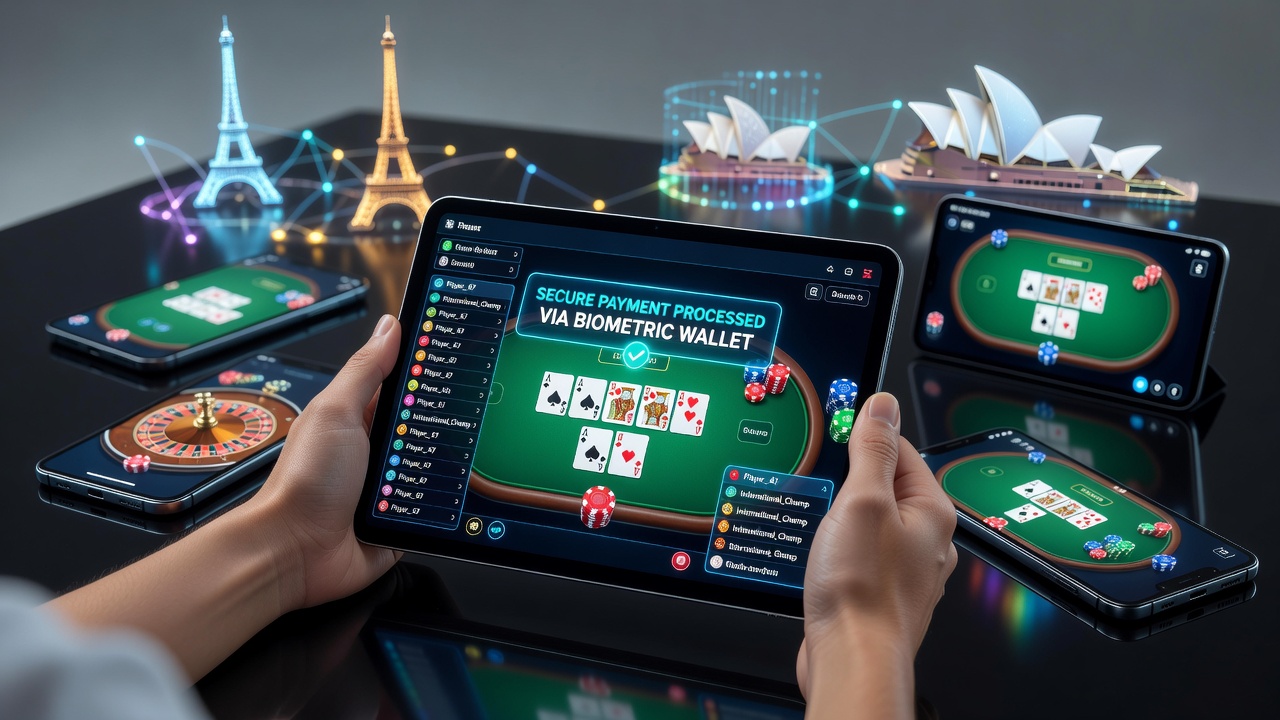
Tokenization replaces sensitive card details with unique identifiers during mobile transactions, while biometric authentication adds an extra verification layer that aligns with requirements for high-stakes international table game events. These measures reduce unauthorized access risks and support compliance with varied regional standards, allowing platforms to host larger participant pools without compromising transaction integrity. Figures from industry reports reveal that platforms implementing combined biometric and tokenized systems record fewer disputes over payment processing during multi-country tournaments, which in turn sustains continuous engagement on portable devices.
Regulatory Developments Across Regions
Regulatory bodies in different areas have updated guidelines to address these payment innovations, and the European Central Bank has issued updates on digital euro pilots that intersect with gaming transaction standards. European Central Bank digital euro documentation outlines potential impacts on cross-border efficiency. Meanwhile, the Reserve Bank of Australia has examined real-time payment systems that facilitate similar mobile access for users engaging in global competitions. Reserve Bank of Australia payment infrastructure reports provide context on how these systems operate in practice.
Canadian regulators at the Bank of Canada have also reviewed central bank digital currency frameworks that could further integrate with portable device gaming, creating additional pathways for international participants. These coordinated efforts across jurisdictions reduce barriers that once limited smaller operators from offering table game competitions to audiences beyond their home markets.
Platform Adaptations and User Accessibility
Developers have optimized mobile applications to incorporate multiple payment rails within single interfaces, which allows users to select options based on location, speed, and cost during registration for international events. Case studies from platform operators demonstrate that incorporating emerging payment tools correlates with increased retention rates among players who compete across time zones, since deposits process reliably even when traditional banking hours do not align. Those who have studied mobile gaming patterns observe that seamless payment flows contribute directly to broader participation in live dealer formats and tournament structures that span continents.
Conclusion
Payment technology advancements continue to expand reach for international table game competitions on portable devices by addressing speed, security, and jurisdictional differences. As systems evolve through 2026 and beyond, data collection from regulatory and industry sources will likely track further shifts in how these tools support global player engagement without reliance on older financial infrastructures.