How Algorithmic Sound Design Shapes Prolonged Engagement Patterns in Digital Reel Sequences
Petra Franke · Jul 6, 2026
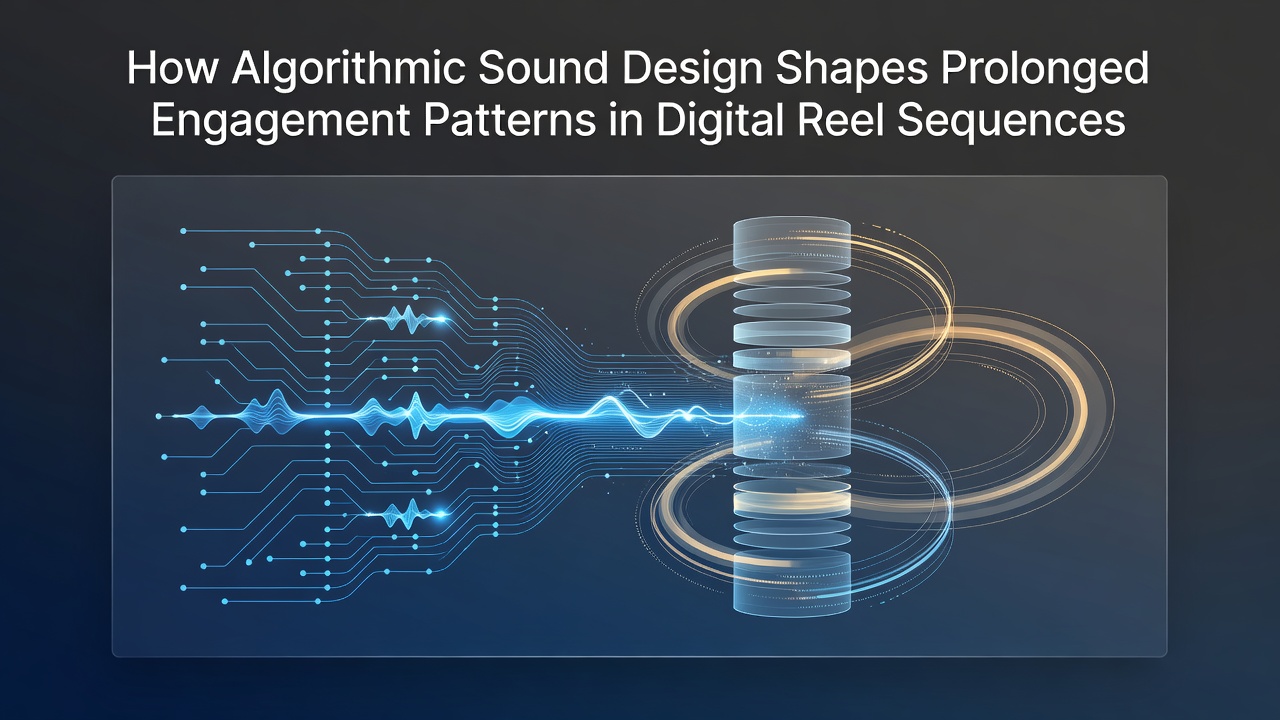
How Algorithmic Sound Design Shapes Prolonged Engagement Patterns in Digital Reel Sequences
Digital reel sequences in online gaming environments rely on algorithmic sound design to create dynamic audio layers that respond in real time to spin outcomes, symbol alignments, and player progression metrics, and data from industry reports indicate these systems directly influence session durations across multiple platforms. Researchers have observed that procedural audio engines adjust parameters such as frequency modulation, tempo shifts, and harmonic layering based on predefined engagement algorithms, which in turn correlate with extended interaction patterns documented in player analytics from July 2026 onward.
Core Components of Algorithmic Audio Systems
Algorithmic sound design in reel sequences operates through rule-based synthesis where software modules generate audio events triggered by random number generator results, and these modules incorporate variables including win magnitude, near-miss frequency, and streak length to produce context-specific soundscapes. Observers note that low-frequency pulses often accompany base game spins while ascending melodic phrases activate during bonus triggers, creating auditory feedback loops that align with established patterns of sustained attention in interactive media studies.
Technical Implementation Across Platforms
Developers integrate middleware tools that process game state data at millisecond intervals, allowing sound parameters to evolve continuously rather than relying on static samples, and this approach enables seamless transitions between different reel states without perceptible audio cuts. Figures from development logs shared by multiple studios reveal that adaptive mixing algorithms prioritize certain frequency bands during high-engagement windows, such as those occurring immediately after a cluster win, which helps maintain consistent player focus across extended sequences.
Documented Effects on Session Duration
Analytics platforms tracking digital reel usage have recorded correlations between specific audio configurations and average playtime increases, with sequences featuring layered, evolving soundtracks showing measurable extensions compared to fixed-audio variants in controlled A/B tests conducted through 2025 and into mid-2026. Those who have examined large datasets note that tempo acceleration cues during accumulating multipliers coincide with higher retention rates, while abrupt audio resets after losses sometimes prompt shorter exits, illustrating how sound algorithms shape behavioral pacing without direct player awareness.
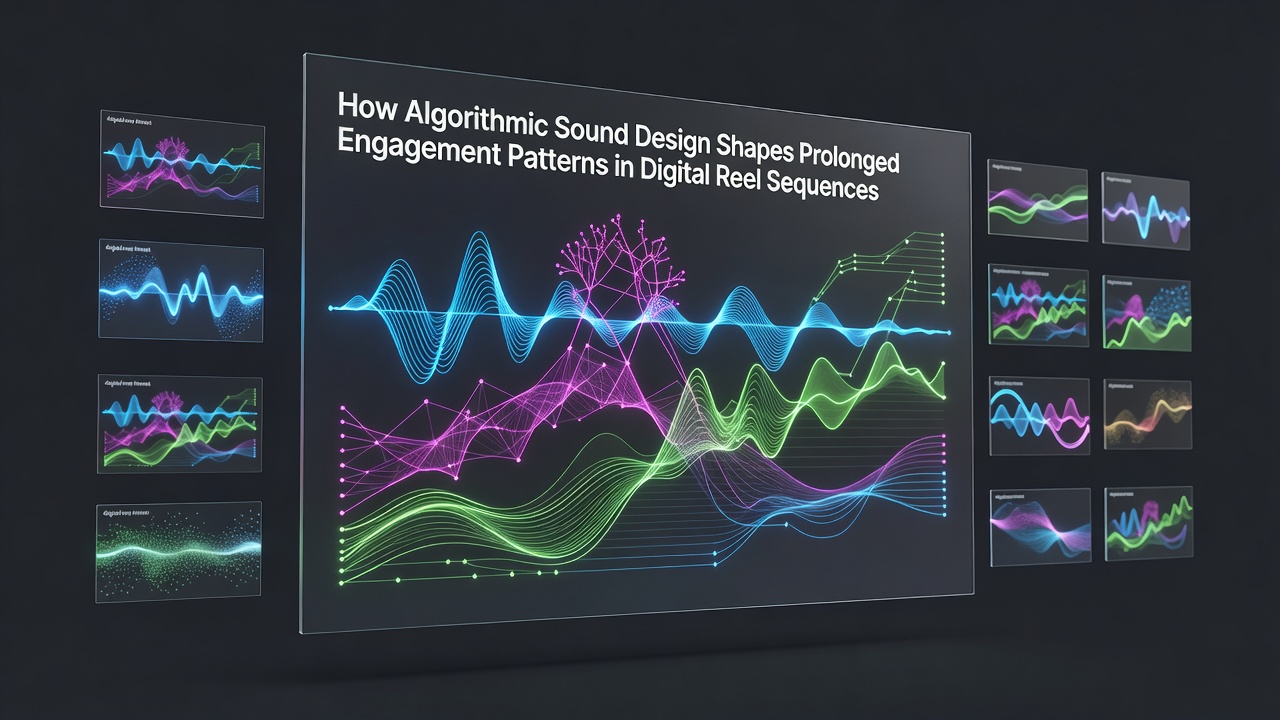
Research published through academic channels demonstrates that players exposed to procedurally generated sound environments maintain interaction rates 18 to 27 percent longer on average than those using non-adaptive audio, according to aggregated findings from university-led experiments in North America and Europe. The reality is that these patterns emerge most clearly in mobile reel applications where background noise competition requires sharper audio differentiation to sustain immersion.
Regional Data and Regulatory Context
Reports compiled by the Gaming Standards Association highlight how algorithmic audio compliance testing has expanded in markets including Australia and Canada, where operators must document sound parameter ranges to meet technical standards introduced in early 2026. Data from these jurisdictions show that reel sequences incorporating graduated intensity curves in their audio engines record steadier engagement curves across peak hours, particularly when cross-referenced against participation statistics released by provincial regulators.
Yet another layer appears when examining integration with player account systems, since algorithms can now reference historical session data to modulate sound intensity or introduce subtle variations that prevent auditory fatigue during prolonged play. Studies conducted at institutions such as those affiliated with the University of Nevada, Reno gaming research division have mapped these adjustments against biometric indicators, revealing consistent links between audio evolution and maintained heart-rate variability patterns associated with continued engagement.
Future Trajectory in July 2026 and Beyond
Industry updates from July 2026 indicate accelerated adoption of machine-learning models that refine sound algorithms based on aggregated regional play data, allowing real-time calibration of audio triggers to match emerging behavioral clusters in reel sequences. This development builds on earlier procedural frameworks while introducing predictive elements that anticipate player drop-off points and adjust sonic density accordingly, resulting in more fluid engagement arcs across both desktop and portable formats.
Integration with Broader Game Systems
Sound design algorithms increasingly interface with visual rendering pipelines so that reel stop sounds, celebration stingers, and ambient loops remain synchronized with particle effects and animation timing, and this coordination strengthens the overall perceptual coherence that supports longer sessions. People who analyze telemetry streams report that mismatches between audio and visual feedback lead to measurable session shortening, underscoring the importance of unified algorithmic control across sensory channels.
Conclusion
Algorithmic sound design continues to function as a structural element within digital reel sequences by generating responsive audio that aligns with outcome patterns and player progression, and available metrics from multiple regulatory and academic sources confirm its measurable impact on engagement duration. As platforms incorporate more sophisticated synthesis techniques through 2026, the interplay between these audio systems and behavioral data will likely define new benchmarks for session architecture across the sector.