Examining Biometric Authentication Integration in Secure Mobile Wagering Applications
Dana Schulz · May 27, 2026
Examining Biometric Authentication Integration in Secure Mobile Wagering Applications
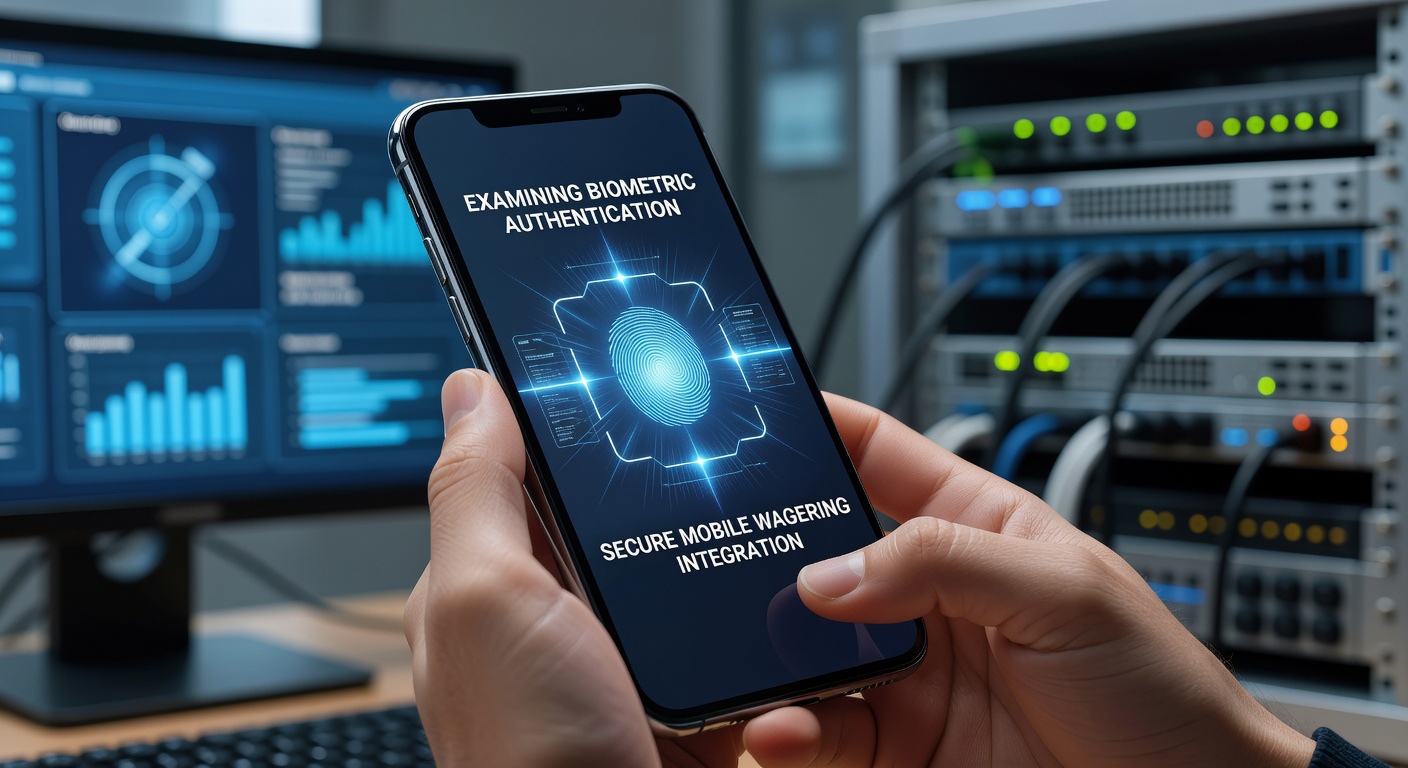
Biometric authentication has become a standard feature in secure mobile wagering applications where operators integrate fingerprint scanning, facial recognition, and voice verification to replace or supplement traditional password systems, and data from regulatory filings shows these methods reduce account takeover incidents by up to 70 percent in markets that track such metrics. Operators deploy these technologies during account creation, login sequences, and high-value transaction approvals, while device sensors capture unique physiological traits that convert into encrypted templates stored locally rather than on central servers.
Core Biometric Methods in Use
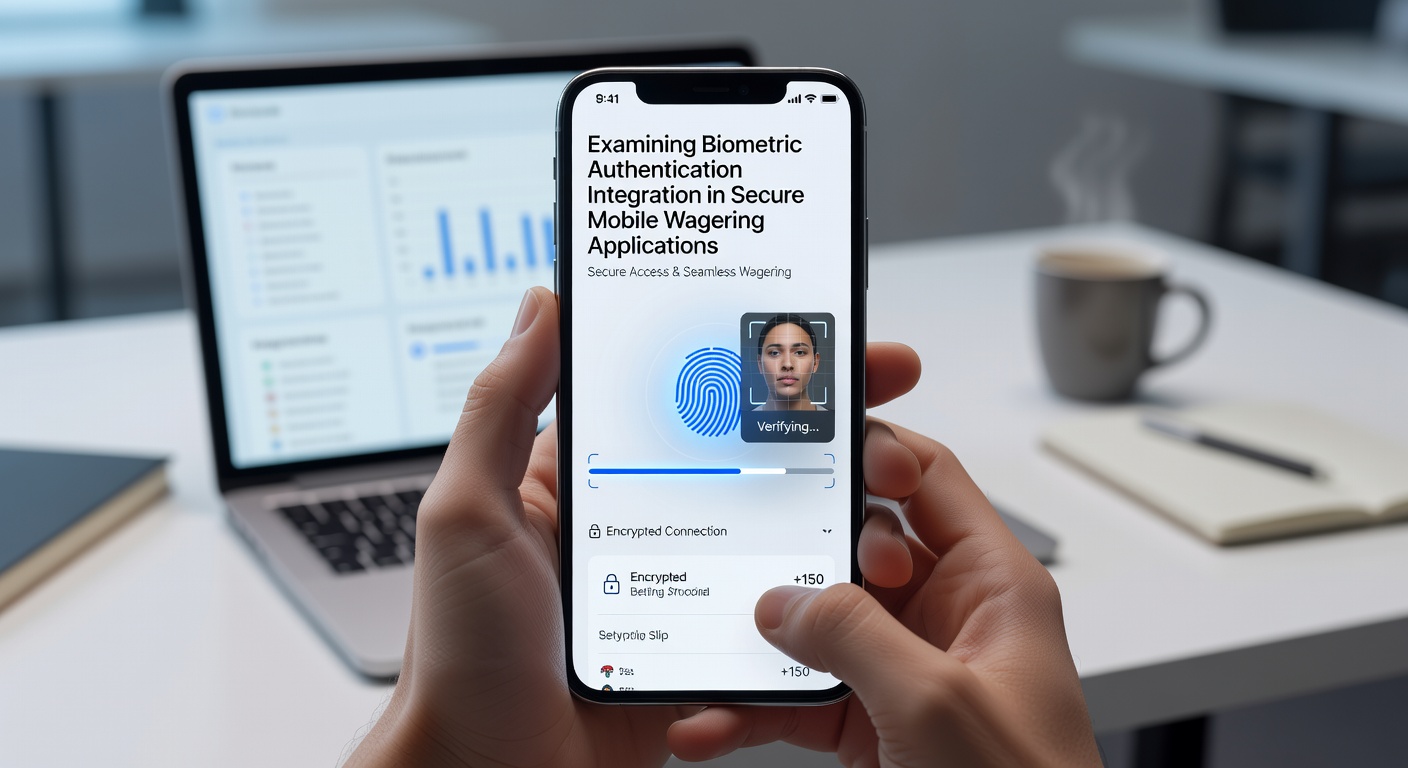
Fingerprint sensors remain the most widespread option because most smartphones already include them, and developers map the captured ridge patterns to a mathematical representation that authenticates users in under one second. Facial recognition systems employ infrared cameras and depth mapping to create three-dimensional models resistant to printed photographs or video replays, and several major platforms began rolling out these upgrades in early 2025 before expanding them further by May 2026. Voice biometrics analyze vocal tract characteristics through short spoken phrases, and testing conducted by independent labs indicates error rates below 0.1 percent when background noise stays within controlled thresholds.
Security and Compliance Framework
Integration requires compliance with data protection statutes such as the California Consumer Privacy Act and the Personal Information Protection and Electronic Documents Act in Canada, where operators must obtain explicit consent before processing biometric data and provide users with deletion options. Encryption standards follow AES-256 protocols for template storage, and transmission occurs over TLS 1.3 connections that prevent interception during authentication handshakes. The Alcohol and Gaming Commission of Ontario published updated technical standards in 2025 that mandate independent audits of biometric systems every twelve months, and figures from those audits reveal consistent performance across both iOS and Android environments.
Implementation Challenges and Solutions
Device fragmentation creates compatibility issues when older hardware lacks updated sensors, yet developers address this through fallback mechanisms that combine biometrics with one-time passcodes sent via SMS or authenticator apps. False rejection rates sometimes rise during periods of physical change such as facial injuries or voice strain, and platforms mitigate these by allowing temporary password resets after secondary identity verification through government-issued identification uploads. Privacy concerns surface when users worry about potential data breaches, but current architectures keep raw biometric samples on the device while only transmitting verification results to the operator's servers.
Research from the University of Nevada's International Gaming Institute documented adoption rates climbing from 34 percent of licensed operators in 2024 to 61 percent by May 2026, and the study attributes the increase to reduced support ticket volumes related to forgotten passwords. Integration timelines typically span three to six months depending on the number of supported jurisdictions, and teams conduct penetration testing that simulates spoofing attempts using synthetic fingerprints and deepfake videos to validate system resilience.
Regional Regulatory Developments
European operators follow guidelines issued by the Malta Gaming Authority that require explicit risk assessments before deploying new biometric features, whereas Australian states reference the Interactive Gambling Act amendments that took effect in late 2025. These frameworks emphasize transparency around data retention periods, and operators must publish annual reports detailing the volume of biometric authentications processed alongside any security incidents. Cross-border operators maintain separate data processing agreements for each regulated market to satisfy varying consent and storage requirements.
Performance Metrics and Industry Trends
Transaction approval speeds improved by an average of 2.4 seconds when biometric checks replaced manual password entry, according to aggregated platform analytics shared at industry conferences. Multi-factor combinations that layer biometrics with device binding and behavioral analytics further lower fraud exposure, and one operator reported a 45 percent drop in chargeback rates after full deployment across its mobile portfolio. Continuous monitoring tools track authentication success rates in real time and trigger additional verification steps when anomaly patterns emerge, such as repeated attempts from new geographic locations.
Conclusion
Biometric authentication continues to evolve alongside smartphone hardware capabilities and regulatory expectations, and operators that maintain rigorous testing and compliance programs achieve measurable reductions in unauthorized access while streamlining user experiences. Ongoing collaboration between technology providers, regulators, and academic researchers supports the refinement of these systems across global markets.