Bally’s Corporation Faces Heightened Analyst Review After Regulatory Filings Highlight Debt and Expansion Challenges
Paul Patterson · Aug 26, 2026

Bally’s Corporation Faces Heightened Analyst Review After Regulatory Filings Highlight Debt and Expansion Challenges
Regulatory filings submitted in recent weeks have prompted analysts to take a closer look at Bally’s Corporation financial standing, particularly regarding its capacity to sustain ongoing expansion initiatives such as the proposed Chicago casino project, while the company has paused select construction activities amid ongoing disagreements over local video gaming terminals.
Documents filed with oversight bodies detail mounting debt obligations that observers note could complicate funding for major developments, and experts tracking the gaming sector point out that these disclosures come at a time when Bally’s continues to navigate broader market pressures in August 2026.
Financial Disclosures Prompt Closer Examination
Filings reveal specific figures on liabilities and cash flow projections that have drawn attention from financial analysts who monitor casino operators across multiple states, and these reports show how Bally’s has structured its obligations in ways that leave limited flexibility for large-scale capital expenditures. Those who review such documents regularly emphasize that the data underscores questions about liquidity reserves available for projects like the Chicago site, where preliminary work has already begun but now faces uncertainty.
Industry researchers who analyze similar filings across the Midwest note that Bally’s debt profile includes layered financing arrangements tied to existing properties, which creates a situation where new revenue streams must materialize quickly to avoid further strain, while analysts at major firms have adjusted their coverage notes to reflect these updated metrics without speculating on future outcomes.
Chicago Casino Project Under Scrutiny
The Chicago casino development represents one of Bally’s most ambitious undertakings, with plans calling for integrated resort facilities that would include gaming floors, hospitality components, and entertainment venues designed to attract regional visitors, yet the regulatory documents indicate that funding timelines for this project hinge on securing additional capital or restructuring existing arrangements. Observers familiar with Illinois gaming regulations highlight how the project’s progress remains linked to approvals from state authorities who continue to evaluate operator compliance with financial stability requirements.
Data from the filings shows that Bally’s has allocated resources across several initiatives simultaneously, which spreads available funds thinner than in previous expansion cycles, and this approach has led analysts to question whether the company can maintain momentum on the Chicago timeline without external support or asset sales. Those tracking the development point to the project’s dependence on local partnerships and revenue-sharing models that have yet to fully activate.
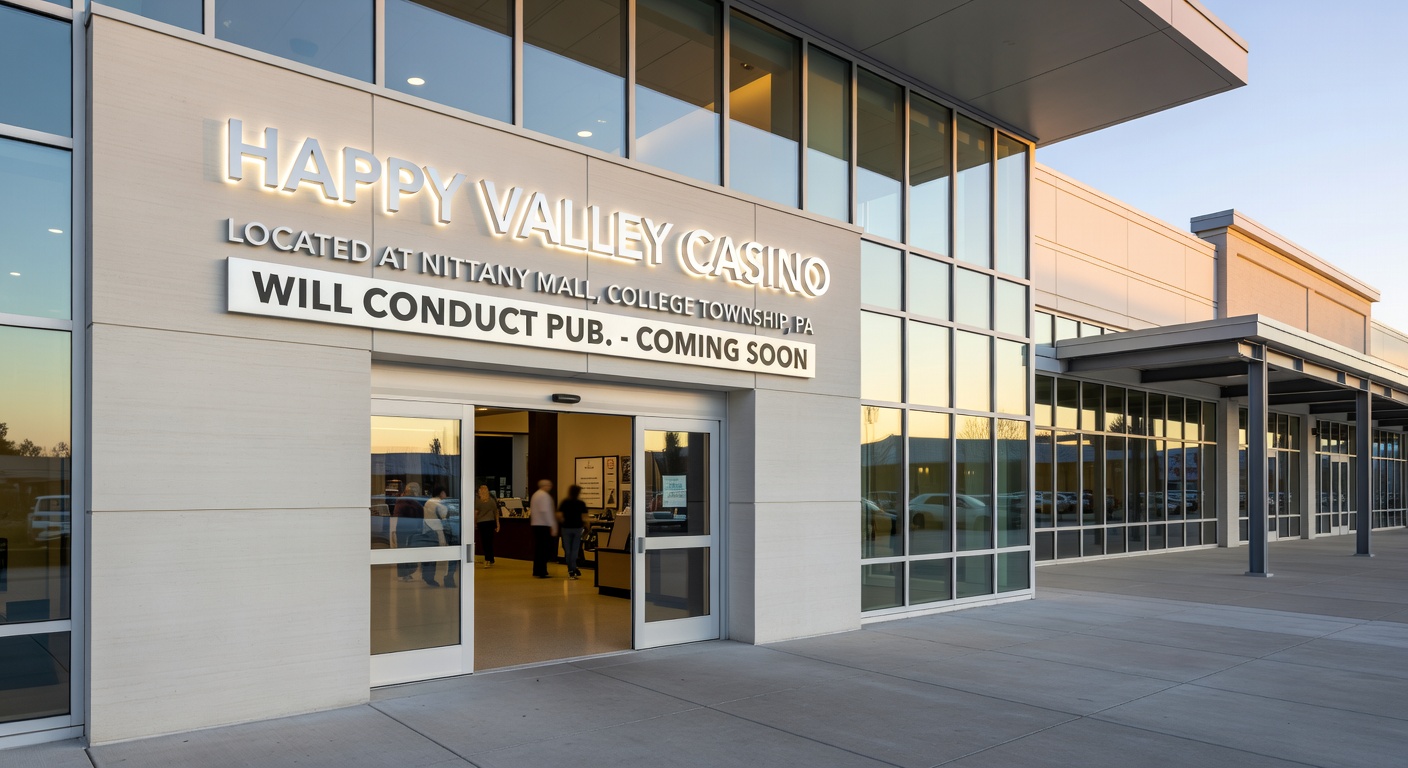
Construction Activities Halted Over Gaming Terminal Disputes
Bally’s has stopped work on certain elements of its expansion sites because of unresolved issues surrounding video gaming terminals that local jurisdictions have authority over, and these disputes center on allocation percentages and operational control that directly affect projected income streams. According to reports from the Illinois Gaming Board, operators must resolve terminal placement and revenue terms before proceeding with full build-out phases, which has created a temporary standstill at affected locations.
Company statements embedded in the regulatory materials explain that the pauses allow time for negotiations with municipal partners, while analysts reviewing the filings note that such halts can extend project costs through idle equipment adn labor scheduling adjustments. Researchers who study similar disputes in other markets have observed that resolutions often involve revised agreements that balance operator returns with local community benefits, and Bally’s case follows this established pattern without deviation.
Debt Obligations and Broader Market Context
Balance sheet details included in the filings list maturing obligations that require refinancing or repayment within defined windows, and these commitments coincide with the need for fresh investment into growth projects across Bally’s portfolio. Experts examining comparable operators note that high debt loads in the casino industry frequently lead to strategic reviews, though Bally’s specific situation ties directly to its multi-state footprint and recent acquisition activity.
Figures presented in the documents indicate that operating cash flows from core properties have remained relatively stable, yet these inflows fall short of covering both debt service and aggressive expansion simultaneously, which places additional pressure on management decisions. Those who follow regulatory trends point out that August 2026 has seen several gaming companies adjust capital plans in response to similar disclosures, creating a sector-wide environment where scrutiny intensifies around debt sustainability.
Analyst Reactions and Next Steps
Following the release of the filings, multiple research teams have issued updated notes that flag Bally’s leverage ratios and liquidity metrics as areas requiring ongoing monitoring, and these assessments draw from the same public documents that triggered the current wave of attention. Analysts emphasize the importance of upcoming quarterly reports that will provide further clarity on whether the company can meet its stated expansion milestones without additional financing rounds.
Regulatory bodies continue to receive supplementary materials from Bally’s as required, and this ongoing dialogue ensures that any material changes to financial projections receive prompt review, while the company maintains that it remains committed to fulfilling all license conditions across its operating jurisdictions.
Conclusion
The regulatory filings have established a clear record of Bally’s current financial posture and the specific hurdles facing its Chicago casino project along with other expansion efforts, and the halt in construction activities stems directly from unresolved video gaming terminal negotiations that affect revenue expectations. Analysts will continue evaluating subsequent disclosures to track how these elements evolve through the remainder of 2026, providing stakeholders with updated data on the company’s ability to navigate its debt profile while advancing development plans.